
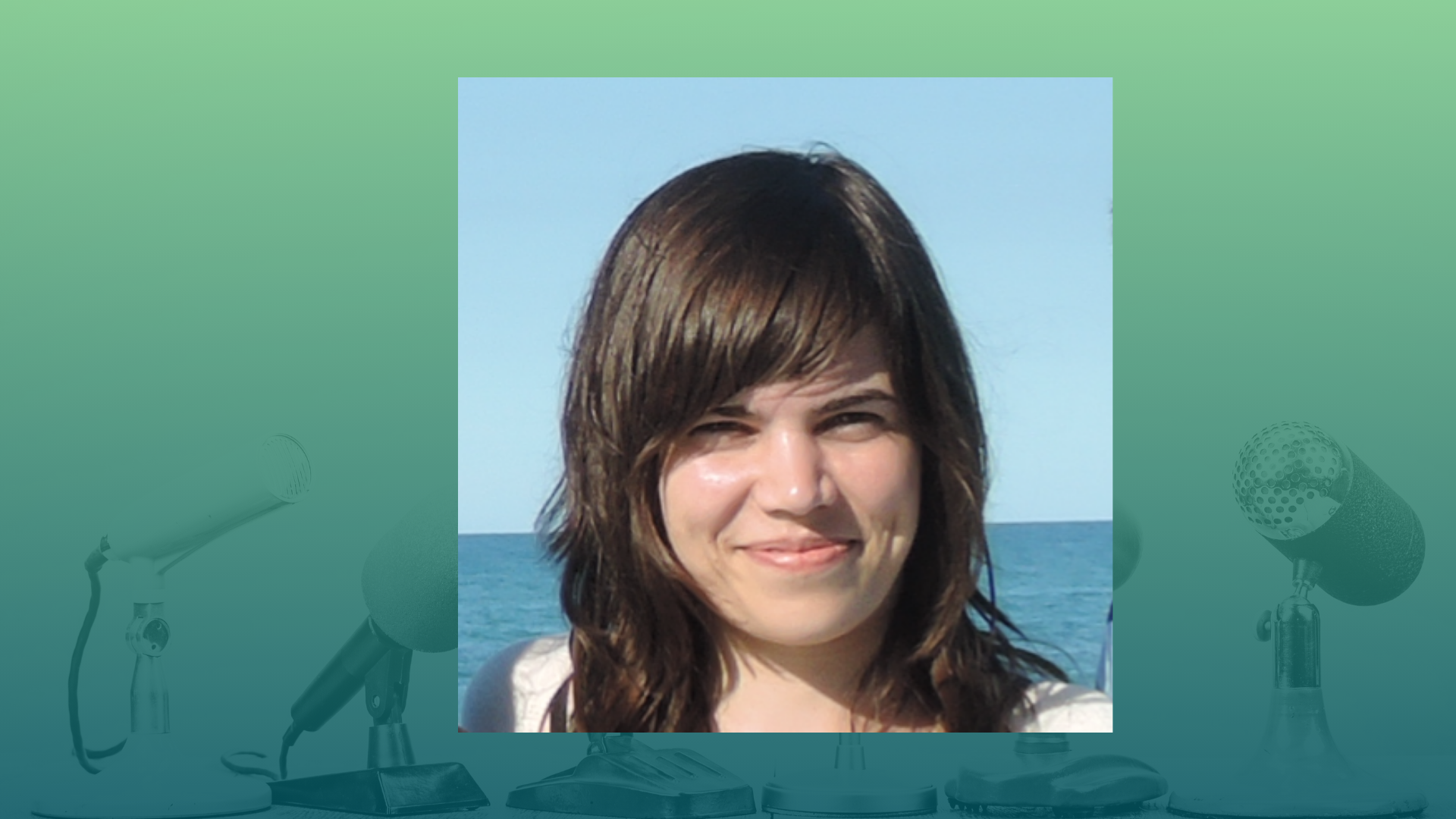
Sonia Álvarez Díaz, DTERBIM Project Coordinator (CARTIF): "My focus is on turning the DTERBIM vision into practical digital tools that support better decision-making during the design and construction phases"
In our previous interview with Sonia Álvarez Díaz, architect and researcher at CARTIF Technology Centre, as part of our #DTERBIMVoices series, we explored her background, her work with digital technologies for the built environment, and what keeps her motivated. In this second conversation, we take a closer look at Sonia’s role within DTERBIM, both as Project Coordinator and as leader of Work Package 4 (WP4), "Digital tools for efficient, circular and sustainable Design & Construction".
She shares what CARTIF is developing within the project, the progress made so far, and her vision for how DTERBIM could contribute to more interoperable, standardised and data-driven workflows across the construction and renovation sector.
Let's zoom in on your role within DTERBIM. What is your team responsible for? What challenge are you addressing?
Within DTERBIM, CARTIF is responsible for developing several of the digital tools that will support the DTERBIM process. This includes the BIM upgrading and enrichment tool, as well as the development of a Digital Building Logbook and the standardisation of the data handover process.
As WP4 Leader, my focus is on turning the DTERBIM vision into practical digital tools that support better decision-making during the design and construction phases. The main challenge we are addressing is how to move from fragmented, poorly connected design and construction workflows to more interoperable, data-driven, and circular processes. WP4 is also important because some of the tools developed within this work package will be among the first DTERBIM solutions to be tested and validated in the real demo sites.
"The main challenge we are addressing is how to move from fragmented and poorly connected design and construction workflows towards more interoperable, data-driven and circular processes."
What has your team achieved so far? And what are your main goals for the next phase of the project?
Regarding WP4, CARTIF has so far progressed in defining the data model for the digital catalogue of Energy Conservation Measures, aligned with the Smart Readiness Indicator and circularity principles. This is an important first step because the catalogue will provide a structured basis for connecting renovation measures with other digital tools developed within the project.
In the next phase, our main goal is to continue developing this catalogue and its connection with other tools, such as the early design tool led by ICCS and the BIM upgrading and enrichment tool developed by CARTIF. These developments are expected to help improve the quality of BIM models and support better decision-making from the early design stages.
These are the most immediate results expected in this work package over the coming months.
In your view, what is the most significant impact DTERBIM could have on the construction sector? What changes would you like to see as a result of your work on the project?
From the WP4 perspective, I believe that one of the most significant impacts of DTERBIM could be to help the sector move towards more interoperable, standardised, and data-driven workflows from the early design and construction phases.
I would like our work to help ensure that BIM information, circularity criteria, material traceability, and enriched digital models are used in a more practical way to support informed decisions throughout the renovation process.
"I would like our work to help ensure that BIM information, circularity criteria, material traceability, and enriched digital models are used in a more practical way to support informed decisions throughout the renovation process."
This is the seventh in a series of interviews with DTERBIM partners, highlighting the people, stories, and ideas driving the project forward.
Want to meet more of the experts behind DTERBIM? Follow us on LinkedIn, Bluesky, X, and YouTube, and subscribe to our newsletter for future interviews and project updates.


Have your say: Help shape DTERBIM's digital tools for circular building renovation
At DTERBIM, we are developing digital tools to make building renovation more circular, energy-efficient, and data-driven. But to get there, we need to hear from the people working across the construction sector every day. That is why we have launched a survey on our DTERBIM Toolkit: a short questionnaire to gather insights on current practices, challenges, digital maturity, collaboration, and innovation needs across the building lifecycle.
Whether you work in design, construction, management, policy, research, or finance, your experience matters. The insights we collect will shape the development of our Toolkit, ensuring our solutions reflect real industry needs.
What is the survey about?
The survey covers a range of topics relevant to professionals working across the built environment:
- Current practices and workflows in your area of work
- Key challenges in renovation and construction
- Digital maturity and readiness to adopt tools such as BIM and Digital Twins
- Collaboration across the building lifecycle
- Innovation needs for a more circular and efficient sector
Who should take part?
The survey is open to professionals from a wide range of sectors and roles, including architectural and engineering firms, construction contractors, building owners, facility managers, energy consultants, local authorities, research institutions, IT providers, financial actors, materials suppliers, and more.
It is available in English, Greek, Spanish, and Polish, and takes approximately 15 minutes to complete.
Why it matters
At DTERBIM, we are developing an openBIM-based ecosystem of digital tools to support more circular and energy-efficient renovation across Europe. The survey findings will feed directly into the development of practical tools, interoperable BIM workflows, and policy recommendations.
By taking part, you are not just sharing your experience; you are helping to shape the future of how we renovate buildings.
Deadline: 30 September 2026.
The results of the survey will be consolidated to develop a linear workflow for circular energy renovation. This will be disseminated through a webinar. Please provide your email address in the survey to receive updates on the webinar schedule.
Subscribe to our newsletter for future updates and follow us on LinkedIn, Bluesky, X, and YouTube.