
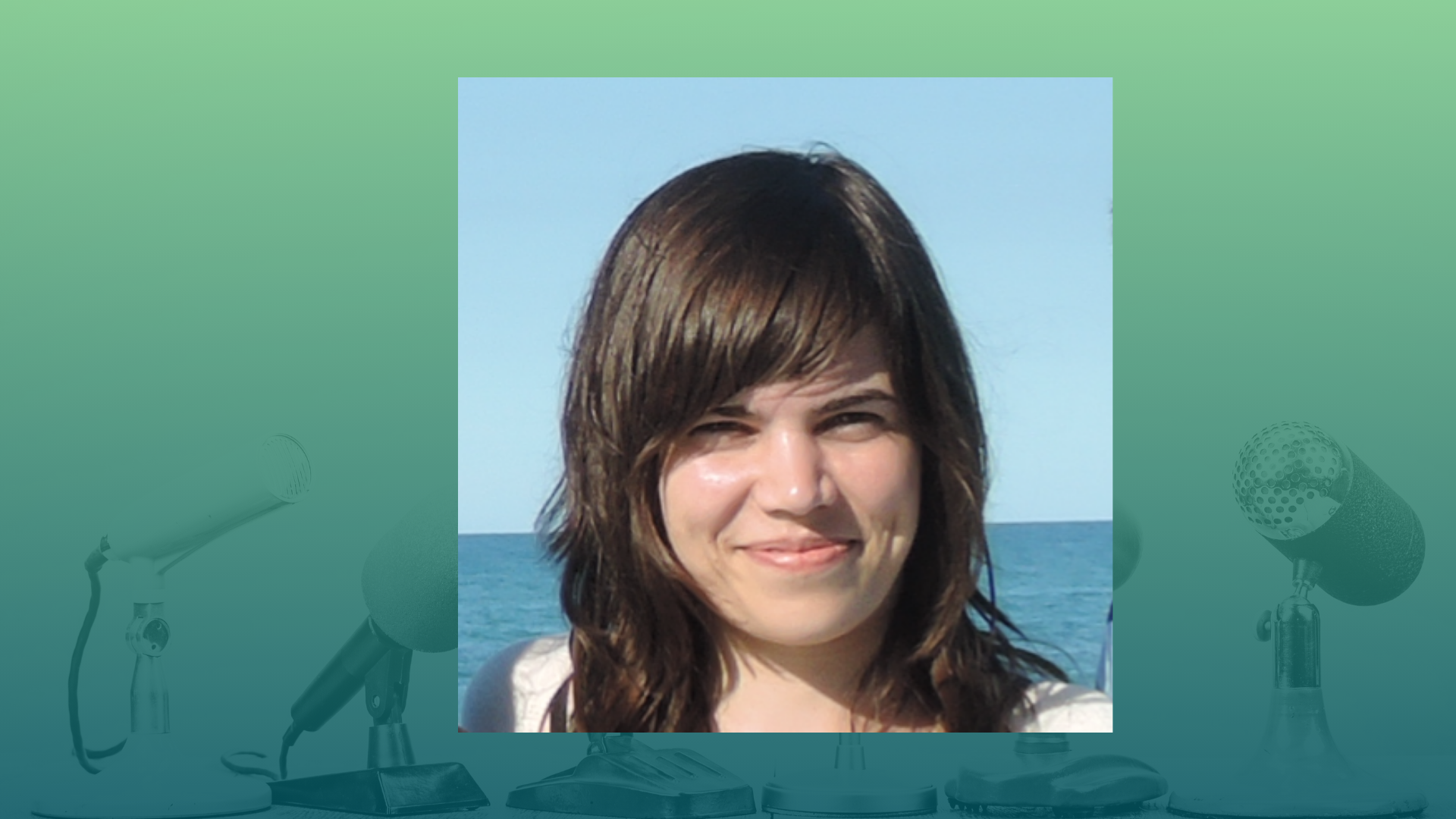
Sonia Álvarez Díaz, DTERBIM Project Coordinator (CARTIF): "My focus is on turning the DTERBIM vision into practical digital tools that support better decision-making during the design and construction phases"
In our previous interview with Sonia Álvarez Díaz, architect and researcher at CARTIF Technology Centre, as part of our #DTERBIMVoices series, we explored her background, her work with digital technologies for the built environment, and what keeps her motivated. In this second conversation, we take a closer look at Sonia’s role within DTERBIM, both as Project Coordinator and as leader of Work Package 4 (WP4), "Digital tools for efficient, circular and sustainable Design & Construction".
She shares what CARTIF is developing within the project, the progress made so far, and her vision for how DTERBIM could contribute to more interoperable, standardised and data-driven workflows across the construction and renovation sector.
Let's zoom in on your role within DTERBIM. What is your team responsible for? What challenge are you addressing?
Within DTERBIM, CARTIF is responsible for developing several of the digital tools that will support the DTERBIM process. This includes the BIM upgrading and enrichment tool, as well as the development of a Digital Building Logbook and the standardisation of the data handover process.
As WP4 Leader, my focus is on turning the DTERBIM vision into practical digital tools that support better decision-making during the design and construction phases. The main challenge we are addressing is how to move from fragmented, poorly connected design and construction workflows to more interoperable, data-driven, and circular processes. WP4 is also important because some of the tools developed within this work package will be among the first DTERBIM solutions to be tested and validated in the real demo sites.
"The main challenge we are addressing is how to move from fragmented and poorly connected design and construction workflows towards more interoperable, data-driven and circular processes."
What has your team achieved so far? And what are your main goals for the next phase of the project?
Regarding WP4, CARTIF has so far progressed in defining the data model for the digital catalogue of Energy Conservation Measures, aligned with the Smart Readiness Indicator and circularity principles. This is an important first step because the catalogue will provide a structured basis for connecting renovation measures with other digital tools developed within the project.
In the next phase, our main goal is to continue developing this catalogue and its connection with other tools, such as the early design tool led by ICCS and the BIM upgrading and enrichment tool developed by CARTIF. These developments are expected to help improve the quality of BIM models and support better decision-making from the early design stages.
These are the most immediate results expected in this work package over the coming months.
In your view, what is the most significant impact DTERBIM could have on the construction sector? What changes would you like to see as a result of your work on the project?
From the WP4 perspective, I believe that one of the most significant impacts of DTERBIM could be to help the sector move towards more interoperable, standardised, and data-driven workflows from the early design and construction phases.
I would like our work to help ensure that BIM information, circularity criteria, material traceability, and enriched digital models are used in a more practical way to support informed decisions throughout the renovation process.
"I would like our work to help ensure that BIM information, circularity criteria, material traceability, and enriched digital models are used in a more practical way to support informed decisions throughout the renovation process."
This is the seventh in a series of interviews with DTERBIM partners, highlighting the people, stories, and ideas driving the project forward.
Want to meet more of the experts behind DTERBIM? Follow us on LinkedIn, Bluesky, X, and YouTube, and subscribe to our newsletter for future interviews and project updates.


Have your say: Help shape DTERBIM's digital tools for circular building renovation
At DTERBIM, we are developing digital tools to make building renovation more circular, energy-efficient, and data-driven. But to get there, we need to hear from the people working across the construction sector every day. That is why we have launched a survey on our DTERBIM Toolkit: a short questionnaire to gather insights on current practices, challenges, digital maturity, collaboration, and innovation needs across the building lifecycle.
Whether you work in design, construction, management, policy, research, or finance, your experience matters. The insights we collect will shape the development of our Toolkit, ensuring our solutions reflect real industry needs.
What is the survey about?
The survey covers a range of topics relevant to professionals working across the built environment:
- Current practices and workflows in your area of work
- Key challenges in renovation and construction
- Digital maturity and readiness to adopt tools such as BIM and Digital Twins
- Collaboration across the building lifecycle
- Innovation needs for a more circular and efficient sector
Who should take part?
The survey is open to professionals from a wide range of sectors and roles, including architectural and engineering firms, construction contractors, building owners, facility managers, energy consultants, local authorities, research institutions, IT providers, financial actors, materials suppliers, and more.
It is available in English, Greek, Spanish, and Polish, and takes approximately 15 minutes to complete.
Why it matters
At DTERBIM, we are developing an openBIM-based ecosystem of digital tools to support more circular and energy-efficient renovation across Europe. The survey findings will feed directly into the development of practical tools, interoperable BIM workflows, and policy recommendations.
By taking part, you are not just sharing your experience; you are helping to shape the future of how we renovate buildings.
Deadline: 30 September 2026.
The results of the survey will be consolidated to develop a linear workflow for circular energy renovation. This will be disseminated through a webinar. Please provide your email address in the survey to receive updates on the webinar schedule.
Subscribe to our newsletter for future updates and follow us on LinkedIn, Bluesky, X, and YouTube.

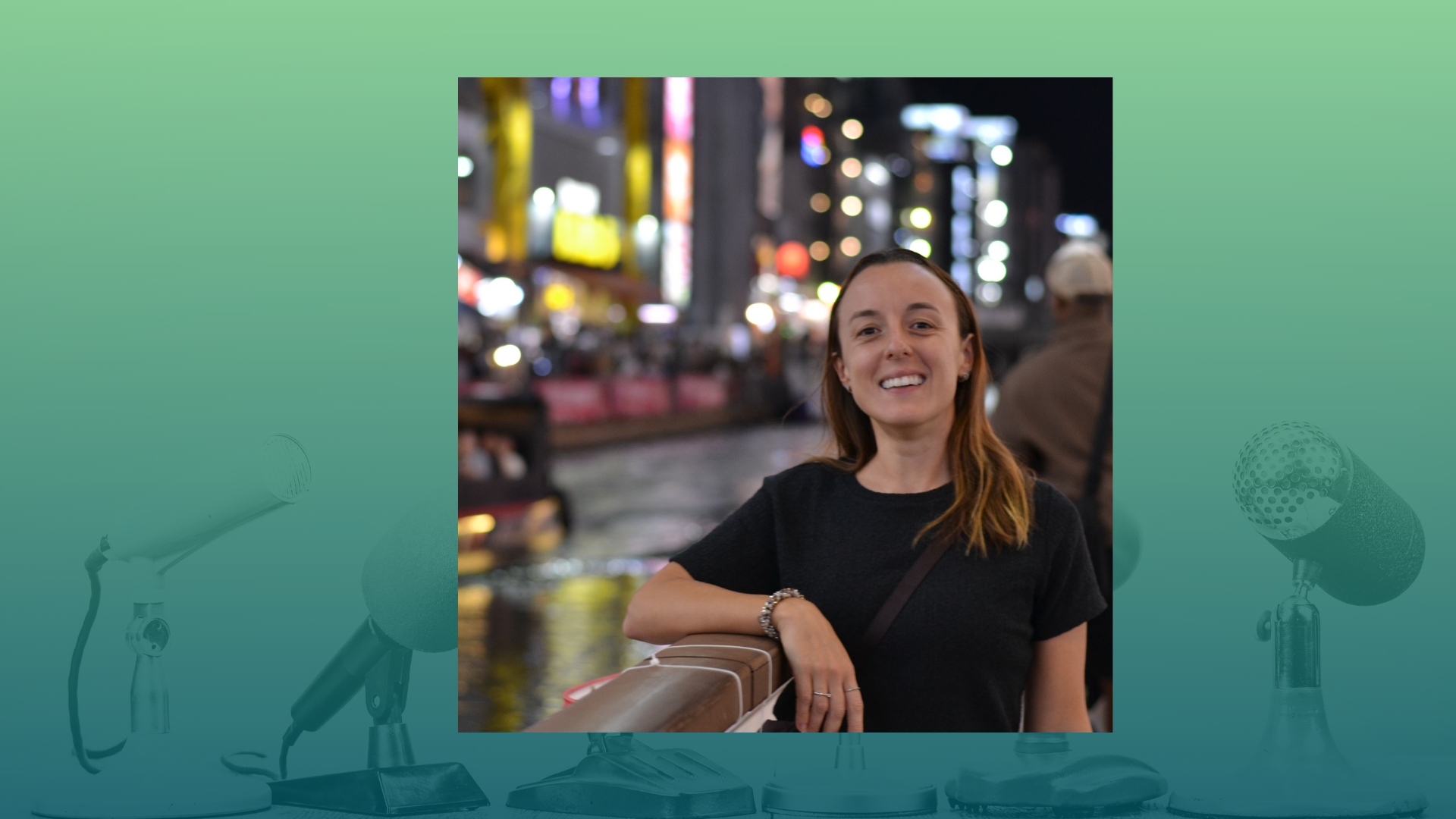
María Ignacia Culell (AUSTRALO): "I would like to see DTERBIM making its innovations and tools more visible and accessible, helping to connect research, industry and end users."
Innovation does not create impact simply because a new technology or solution has been developed. It also needs to reach the right people, be understood, and ultimately find its way into practice. In this edition of #DTERBIMVoices, we speak with María Ignacia Culell, Project Manager at AUSTRALO, the partner leading DTERBIM's Communication, Dissemination and Exploitation activities.
Maria shares her perspective on what it takes to make research visible, accessible, and useful beyond the technical community, from connecting partners and stakeholders to supporting the uptake of DTERBIM's results. She also reflects on the role communication and collaboration can play in turning innovation into real-world impact.
Could you tell us a little about your professional journey and what you focus on in your work today?
I am a lawyer by training, but my career has gradually led me toward business administration and European project management. Today, I work mainly on Horizon Europe projects, supporting international consortia in making their work visible, understandable, and useful beyond the technical community.
In DTERBIM, I am the Communication, Dissemination, and Exploitation Leader. My role is strategic and transversal: I work to connect partners, identify synergies, communicate the project’s progress clearly, and support partners in thinking about how their results can reach the right audiences, stakeholders, and potential adopters.
What do you find most rewarding about working at the intersection of research, communication, and innovation?
What I enjoy most is working on projects like DTERBIM, where ambitious ideas are turned into concrete innovation. I really value the opportunity to work with experts from different fields and to keep learning from areas that are often new to me.
"I really value the opportunity to work with experts from different fields and to keep learning from areas that are often new to me."
What motivates me most is helping make that knowledge visible and useful beyond the consortium. I care about communicating research in a clear, accessible, and grounded way, and about supporting the exploitation of results so that innovations can reach the right audiences, potential users, and markets, and create real impact.
"What motivates me most is helping make that knowledge visible and useful beyond the consortium."
What does AUSTRALO's role in DTERBIM involve, and what are the main challenges when it comes to communicating and exploiting research results?
AUSTRALO leads the Communication, Dissemination, and Exploitation activities in DTERBIM. Our role is to make the project work visible, understandable, and relevant for different audiences, from the research community to construction professionals, SMEs, public authorities, and potential end users.
The main challenge is to translate complex technical work into clear messages and to help create connections between partners, results, and stakeholders. We also support the exploitation process by helping partners reflect on the value of their results and how they could be used beyond the project.
"The main challenge is to translate complex technical work into clear messages and to help create connections between partners, results, and stakeholders."
Looking at DTERBIM's first year, what has your team achieved so far, and what are you looking to achieve next?
During the first year, we are focused on building the foundations for DTERBIM’s strategy. This includes defining key messages, target audiences, communication channels, and identifying potential exploitable results and synergies among partners.
In the next phase, our goal is to strengthen DTERBIM’s visibility, communicate progress and partner achievements, engage more actively with stakeholders, and continue supporting exploitation pathways so that the project's results can move closer to real use.
Looking beyond the project itself, what kind of change would you like DTERBIM to contribute to in the construction sector?
In my view, the most significant impact DTERBIM could have is helping the construction sector move towards more sustainable, efficient, and collaborative renovation practices. From the communication, dissemination, and exploitation perspective, I would like to see DTERBIM making its innovations and tools more visible and accessible, helping to connect research, industry, and end users, and supporting the future adoption of solutions that can create real impact beyond the project.
"I would like to see DTERBIM making its innovations and tools more visible and accessible, helping to connect research, industry, and end users."
This is the sixth in a series of interviews with DTERBIM partners, highlighting the people, stories, and ideas driving the project forward.
Want to meet more of the experts behind DTERBIM? Follow us on LinkedIn, Bluesky, X, and YouTube, and subscribe to our newsletter for future interviews and project updates.
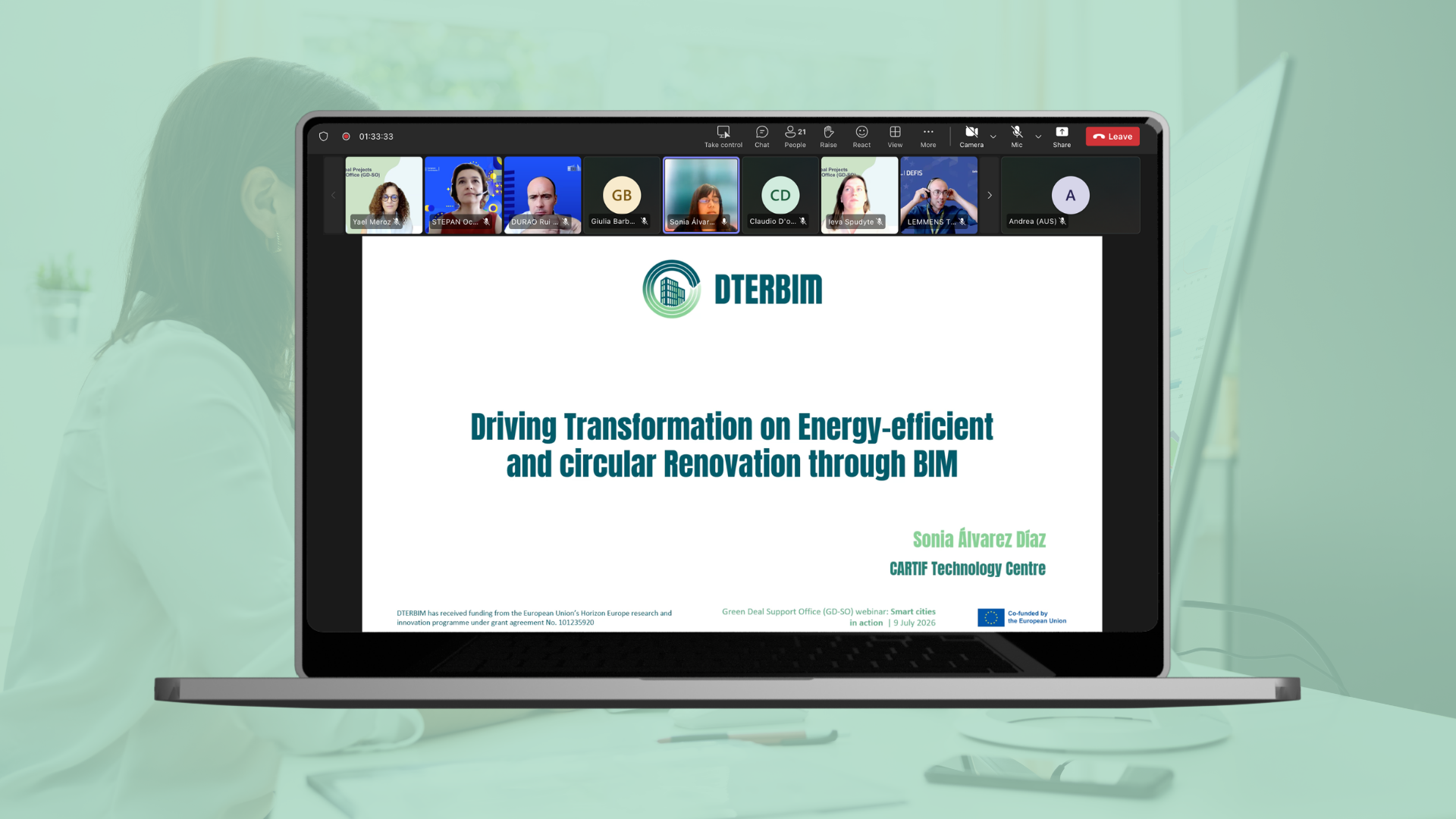
DTERBIM joins Green Deal webinar on Digital Twins, AI, and urban climate resilience
On 9 July 2026, we had the opportunity to present DTERBIM at the webinar "Smart Cities in Action: Digital Twins, Real-time Data, AI, and Mobility for Urban Climate Resilience", organised by the Green Deal Projects Support Office (GD-SO). Our coordinator, Sonia Álvarez (CARTIF), joined representatives from other Horizon Europe, Green Deal, and Horizon 2020 projects, as well as European institutions, to discuss how advanced digital solutions are helping shape smarter, greener, and more resilient cities and address some of today's most pressing urban challenges. EU Green Deal Call, Horizon 2020, and Horizon Europe.
Speakers explored how Digital Twins, Artificial Intelligence (AI), and advanced data management can support more sustainable neighbourhood planning, greenhouse gas monitoring, airport decarbonisation, and energy-efficient building renovation.
The discussion also addressed broader challenges, including data interoperability, system integration, usability for public authorities, and the policy and funding landscape needed to accelerate the adoption of these technologies, in line with EU priorities on climate-neutral cities, sustainable mobility, and environmental data sharing.
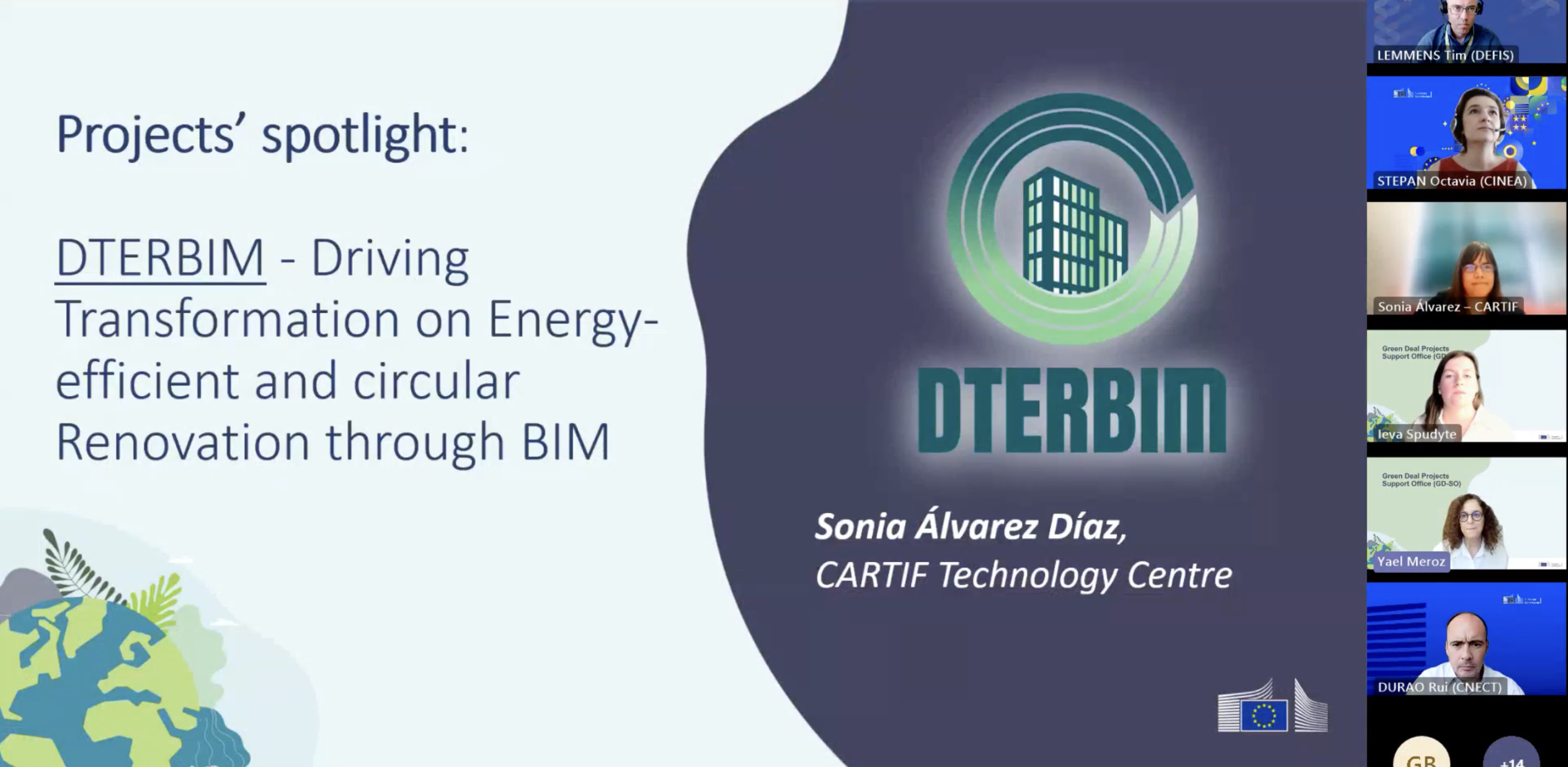
Sonia Álvarez Díaz, DTERBIM's Coordinator and researcher at CARTIF Technology Centre, presented DTERBIM alongside PROBONO, ICOS Cities-PAUL, and STARGATE, highlighting the approaches these projects are taking to support Europe's transition towards climate-neutral cities.
Sonia explained that we are developing an openBIM-based methodology and digital toolkit to support energy-efficient and circular renovation. In particular, she highlighted how we are combining technologies such as Building Information Modelling (BIM), Digital Twins, and AI to improve collaboration, optimise decision-making, and support more sustainable building renovation throughout the entire building lifecycle.
Watch the webinar and download the PPT slides
If you missed the live session or would like to revisit it, you can watch the recording and access the presentation slides below:
https://www.youtube.com/watch?v=cr5aMopXTcg
Thank you to GD-SO for hosting such an insightful discussion and to all speakers for sharing their knowledge!
Subscribe to our newsletter for future updates and follow us on LinkedIn, Bluesky, X, and YouTube.
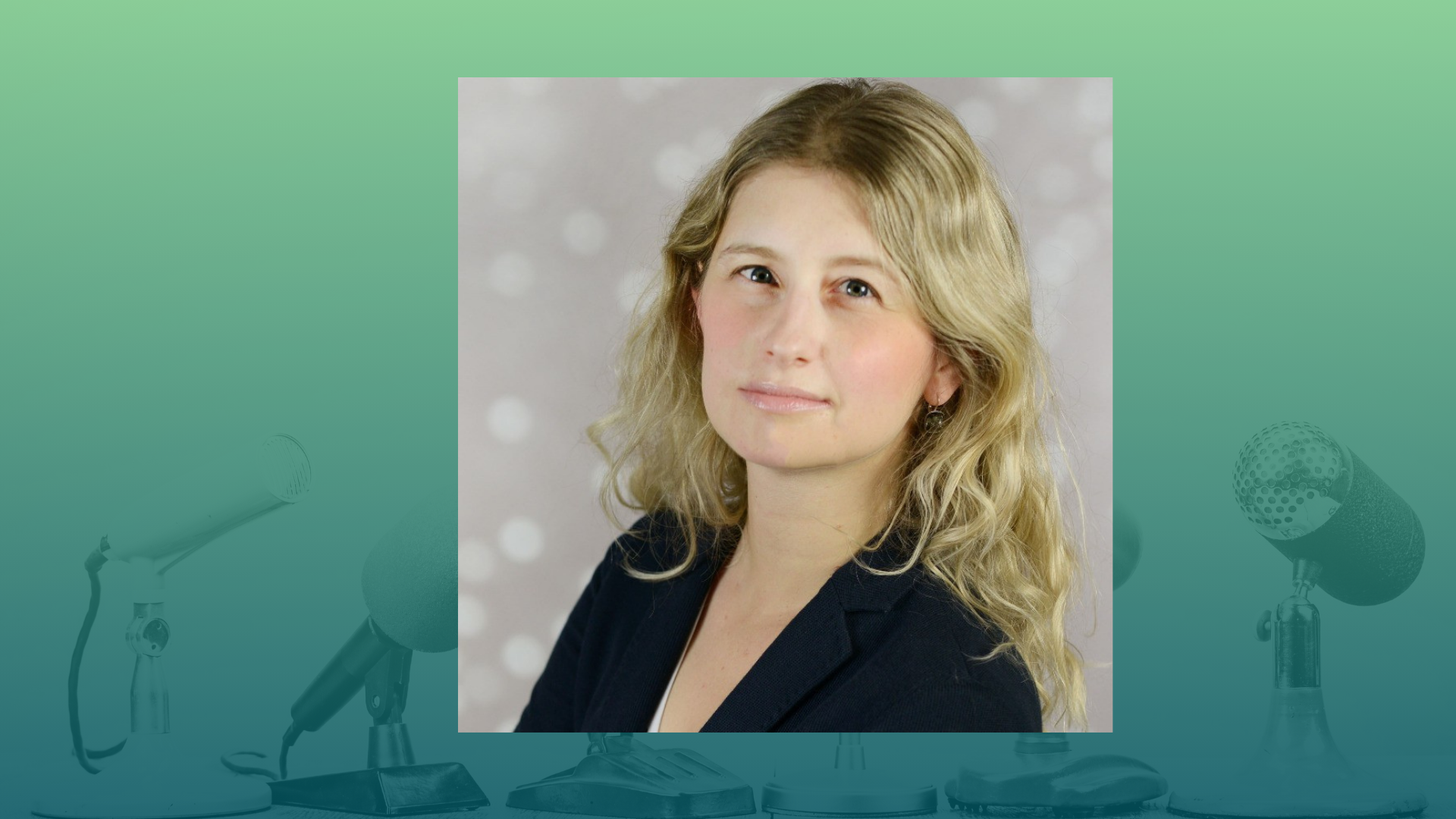
Agnieszka Łukaszewska (FASADA): "DTERBIM has the potential to make advanced digital tools and BIM-based solutions more accessible and practical"
Developing digital tools is one thing. Making sure they work in the complex, changing reality of a construction site is another. In this edition of #DTERBIMVoices, we speak with Agnieszka Łukaszewska, Head of R&D at FASADA, the partner leading DTERBIM's demonstration and validation activities across our three pilot sites in Poland, Spain, and Greece.
Agnieszka shares her perspective on the role of digitalisation in construction, the challenges of testing innovative solutions in real-world environments, and how closer collaboration between technology developers and construction professionals can help turn digital innovation into practical impact.
Could you briefly introduce yourself? What is your background, and what work do you focus on currently?
I am the Head of R&D at FASADA. I am a civil engineer with expertise in the implementation of digital processes in construction, as well as in the management of research and innovation projects.
FASADA is an SME that has been active on the market for more than 25 years. On one side, we carry out construction and renovation works for both public and private clients, and on the other, we support our clients in understanding how digital solutions can positively impact construction processes and project management. Our goal is to help clients deliver construction and renovation projects that are better adapted to their needs, while also responding to changing social, environmental, and market requirements.
"Our goal is to help clients deliver construction and renovation projects that are better adapted to their needs, while also responding to changing social, environmental, and market requirements."
What do you enjoy most about your work? What keeps you motivated?
What I enjoy most about my work is the opportunity to engage with new and interesting topics every day through research activities. It allows me to observe how a traditionally conservative sector like construction is evolving and adapting to new technologies and innovative solutions.
As someone deeply connected to the construction and renovation industry, I see myself as a bridge between emerging technologies and everyday construction practice. I find it especially motivating to observe how digitalisation is transforming the reality of the construction sector and creating new opportunities for efficiency and sustainability.
"As someone deeply connected to the construction and renovation industry, I see myself as a bridge between emerging technologies and everyday construction practice."
Now let's zoom in on your role within DTERBIM. What is your team responsible for? What challenge are you addressing?
FASADA is the leader of the demonstration and validation activities. This means that we are responsible for coordinating and managing the validation process of various DTERBIM tools across three demonstration buildings located in Poland, Spain, and Greece, representing different geographical conditions and construction practices.
Demonstration activities are at the core of the project and represent one of its biggest challenges, as we test innovative developments in real construction environments. Unlike laboratory conditions, construction sites are dynamic and complex, which makes the implementation and validation process much more demanding.
"Unlike laboratory conditions, construction sites are dynamic and complex, which makes the implementation and validation process much more demanding."
Another important aspect of our work is close collaboration with professionals on construction and renovation sites who are not typically involved in research projects. For this reason, it is essential that DTERBIM solutions are developed from the very beginning in close cooperation with the demonstration projects, taking into account the practical requirements, needs, and realities of everyday construction work.
What has your team achieved so far? And what are your main goals for the next phase of the project?
So far, our team has successfully established a strong connection between the technology developers and the construction sites involved in the project. We are currently gathering and aligning the requirements and practical needs of the demonstration sites to ensure that the developed solutions respond to real construction and renovation challenges.
An important part of our work has also been collecting and analysing the available data for the demonstration buildings, including geometry data, information about materials, existing BIM models, and other technical documentation. Based on this analysis, we are identifying what additional data and inputs are necessary for the effective implementation and validation of the DTERBIM solutions.
In the next phase of the project, our main goal is to further support the integration and testing of the developed technologies in real construction environments. We want to ensure that the solutions are practical, user-friendly, and adaptable to different building conditions, construction practices, and stakeholder needs across the three demonstration sites.
"We want to ensure that the solutions are practical, user-friendly, and adaptable to different building conditions, construction practices, and stakeholder needs across the three demonstration sites."
In your view, what is the most significant impact DTERBIM could have on the construction sector? What changes would you like to see as a result of your work on the project?
I believe the most significant impact of DTERBIM could be accelerating the digital transformation of the construction and renovation sector. The project has the potential to make advanced digital tools and BIM-based solutions more accessible and practical for everyday use on construction sites, not only for researchers or technology experts.
"The project has the potential to make advanced digital tools and BIM-based solutions more accessible and practical for everyday use on construction sites, not only for researchers or technology experts."
Through our work, I would like to see strong collaboration between technology developers and construction professionals, as well as greater openness within the sector toward innovation and data-driven decision-making. I also hope that the project will contribute to more efficient, sustainable, and better-managed renovation processes, helping the industry adapt to future environmental and technological challenges.
This is the fifth in a series of interviews with DTERBIM partners, highlighting the people, stories, and ideas driving the project forward.
Want to meet more of the experts behind DTERBIM? Follow us on LinkedIn, Bluesky, X, and YouTube, and subscribe to our newsletter for future interviews and project updates.
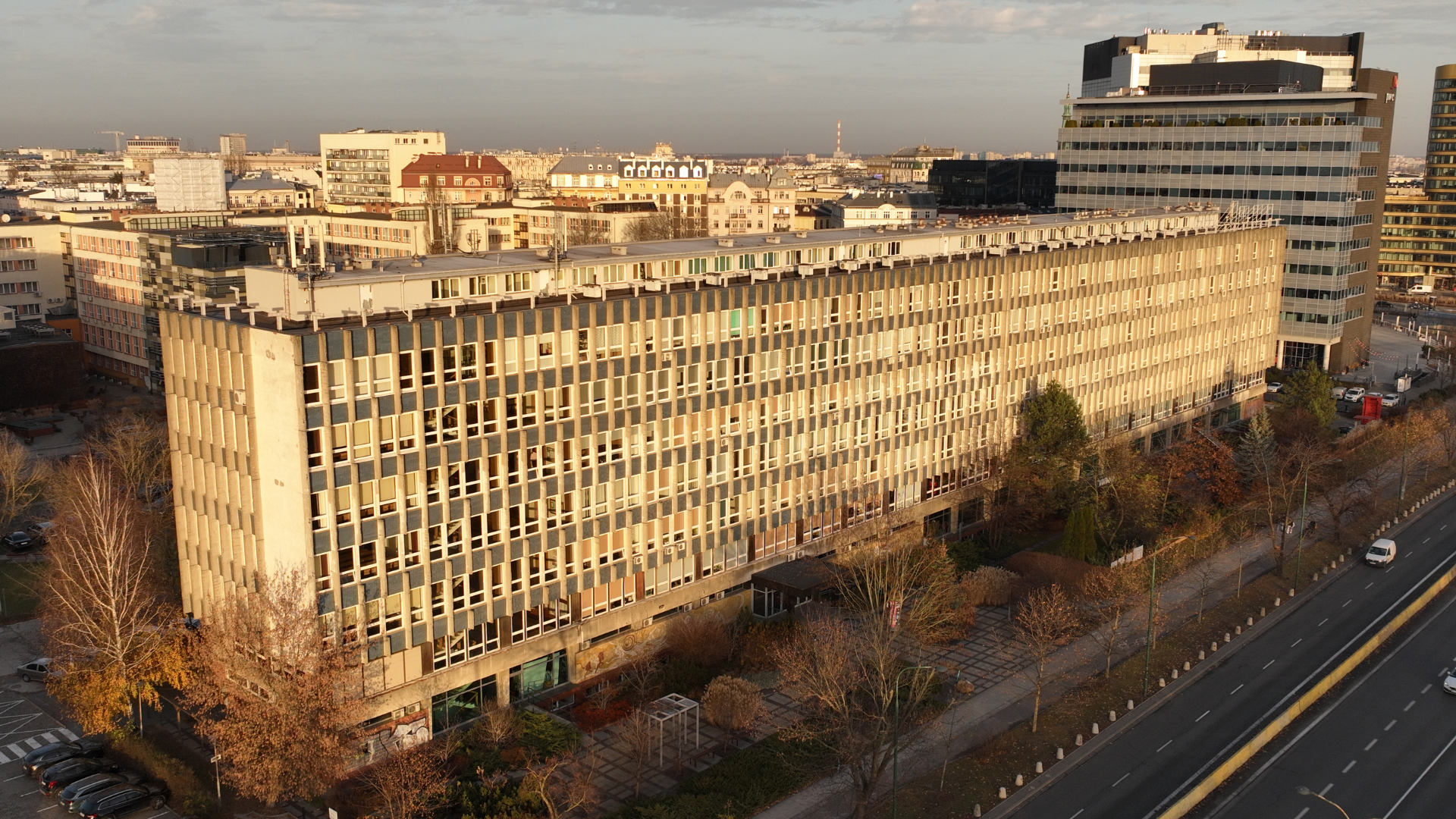
DTERBIM pilots: A look at data collection in Warsaw
Behind every Digital Twin, BIM model, and AI-powered tool lies a key ingredient: high-quality data. At the DTERBIM Polish pilot site, our team has been capturing and processing detailed data that will serve as the foundation for the digital models used throughout the project.
The building in question is the Faculty of Civil Engineering at Warsaw University of Technology. Built between 1970 and 1976 and located in the heart of Warsaw, the facility is scheduled for revitalisation and extension works due to its current condition. This makes it an ideal case study for demonstrating how digital technologies can support complex, real-world renovation challenges.
How is it all coming together? To showcase the process, we have created a series of short videos. Here is what you will discover:
Building scanning
The building selected for this pilot had no reliable as-built documentation available. Before any renovation works can begin, an accurate digital record of the existing structure is needed, which is what this scanning provides.
This video presents the data collection process at the Warsaw University of Technology, one of our three real-life demonstration pilots. It combines an aerial drone perspective with a detailed walkthrough of how geospatial data is captured using the NavVis VLX scanner, one of the most advanced handheld scanning tools available. Through this 3D laser-scanning, we captured the geometry of the building spaces, façades, and structural elements and turned them into a point cloud.
The video also shows how we then processed the point cloud. This processed point cloud becomes the foundation for an accurate BIM model of the existing building — the starting point for planning renovation works.
https://www.youtube.com/watch?v=HRBaE_SDf7I
Data collection on site
A closer look at the full range of data collection methods used on site: 360° photographic documentation, site walks, NavVis MLX and VLX scanning, and drone-based photogrammetry. We imported all the data we collected into the Dalux platform, making it accessible on both desktop and mobile.
https://www.youtube.com/watch?v=tnujYS33oqs
Point cloud and BIM model creation
This video shows how the raw scan data is turned into actionable information. Using drone and scanner outputs, we generated a detailed point cloud of the building and its surroundings, including the building's characteristic concrete fins. Internal scanning provides precise room layouts, which serve as the basis for developing the BIM model.
https://www.youtube.com/watch?v=ADLOnFpx_lI
Collecting and integrating data on the Dalux platform
This video focuses on how all the collected data comes together on the Dalux platform. From 360° photos and site walks to point cloud comparison and IFC model filtering, Dalux provides us with intuitive access to a rich, layered digital record of the building.
https://www.youtube.com/watch?v=I95wl9pmliM
The work we are carrying out in Warsaw is a great example of how accurate, detailed, and well-organised data can support digital renovation processes. By creating a reliable digital foundation, we are ensuring that renovation decisions are better informed, more efficient, and aligned with circularity and sustainability goals.
The collected data will also be used by the Warsaw University of Technology as training materials for students, future engineers who form the foundation of the construction industry.
Watch all videos on our YouTube channel and stay tuned for more updates as we continue advancing our pilot activities!
Subscribe to our newsletter for future updates, and follow us on LinkedIn, Bluesky, X, and YouTube.
Sonia Álvarez Díaz, DTERBIM Project Coordinator at CARTIF: "One of the greatest impacts of DTERBIM will be to demonstrate how digitalisation can transform the way we design, renovate and manage buildings"
Delivering a Horizon Europe project goes far beyond developing innovative technologies. It also means bringing together partners with different areas of expertise, aligning technical and strategic objectives, and ensuring that research translates into practical solutions. In this edition of our #DTERBIMVoices series, we speak with Sonia Álvarez Díaz, Project Coordinator of DTERBIM and researcher at CARTIF Technology Centre. With a background in architecture, Sonia shares what motivates her and why collaboration is key to driving the digital and circular transformation of Europe's construction sector.
To begin, could you tell us a little about yourself? What is your background, and what does your work at CARTIF focus on today?
I am Sonia Álvarez Díaz, an architect and researcher in the Energy Division of CARTIF Technology Centre, within the Energy Efficiency Area. I hold a PhD in Architecture, focused on the use of BIM and advanced digital technologies for energy-efficient building renovation projects, as well as a Master’s degree in Technologies for the Protection of Immovable Cultural Heritage.
My current work focuses mainly on the application of digital technologies to energy efficiency management, building and urban renovation, and semantic 3D modeling through GIS and BIM technologies, as well as their connection with Digital Twins.
What aspects of your work do you find most rewarding? What continues to inspire and motivate you?
What I enjoy most is the variety of topics I work on, mainly related to the use of digital technologies in the built environment to improve energy efficiency, from building scale to city scale. I also value the more practical side of my work, such as on-site data collection for building digitalisation and energy audits, as well as the development of decarbonisation plans and energy improvement strategies. This keeps me closely connected to real buildings and real challenges.
What keeps me motivated is learning. I really enjoy learning about new topics, proposing new ideas, and applying them in both proposals and real projects.
"What keeps me motivated is learning. I really enjoy learning about new topics, proposing new ideas, and applying them both in proposals and in real projects."
As DTERBIM's Project Coordinator, what are your main responsibilities? What challenges are you addressing?
Within DTERBIM, I have several responsibilities. My main role is as Project Coordinator, but I am also involved in the technical development of the project. As Project Coordinator, my focus is on ensuring that all technical, organisational, and strategic elements of DTERBIM move in the same direction. I would say this is one of the main challenges of the project.
"As Project Coordinator, my focus is on ensuring that all technical, organisational and strategic elements of DTERBIM move in the same direction."
Looking at the first months of the project, what have been the main achievements? And what priorities lie ahead?
From a coordination perspective, starting a European project always requires a significant effort in terms of management, administration, and technical alignment. During these first months, we have focused on setting up the project structure, supporting the consortium, clarifying initial questions, and addressing the first issues that naturally arise in a project involving 18 partners and three real demonstration sites.
One of the closest objectives at the project level is to have the first definition of the BIM-based renovation and new construction processes across the complete building lifecycle. This will be a collaborative process, based on the analysis of stakeholders' needs, barriers, and challenges in business-as-usual circular and energy renovation practices. This participatory approach is essential to ensure that the solutions developed in DTERBIM are relevant, scalable, interoperable, and useful for the sector.
What impact do you hope DTERBIM will have on the construction sector?
At the general project level, I believe one of the greatest impacts of DTERBIM will be to demonstrate how digitalisation can transform the way we design, renovate, and manage buildings, integrating circularity to achieve more efficient and sustainable processes.
"One of the greatest impacts of DTERBIM will be to demonstrate how digitalisation can transform the way we design, renovate, and manage buildings, integrating circularity to achieve more efficient and sustainable processes."
As a result of our work, I would like to see the Architecture, Engineering, and Construction (AEC) sector move towards a more innovative, sustainable and connected model, where Small and medium-sized enterprises (SMEs) in particular can engage more easily with a collaborative digital ecosystem through the DTERBIM Toolkit and its accessible, cost-effective, and easy-to-use digital solutions.
"I would like to see the AEC sector move towards a more innovative, sustainable and connected model, where SMEs can engage more easily with a collaborative digital ecosystem through the DTERBIM Toolkit."
This is the fourth in a series of interviews with DTERBIM partners, highlighting the people, stories, and ideas driving the project forward.
Want to meet more of the experts behind DTERBIM? Follow us on LinkedIn, Bluesky, X, and YouTube, and subscribe to our newsletter for future interviews and project updates.
Read Sonia Álvarez's second interview, where she expands on her role within DTERBIM, both as Project Coordinator and as the leader of Work Package 4 (WP4), “Digital tools for efficient, circular and sustainable Design & Construction”:
https://dterbim.eu/sonia-alvarez-diaz-project-coordinator-dterbim-interview/
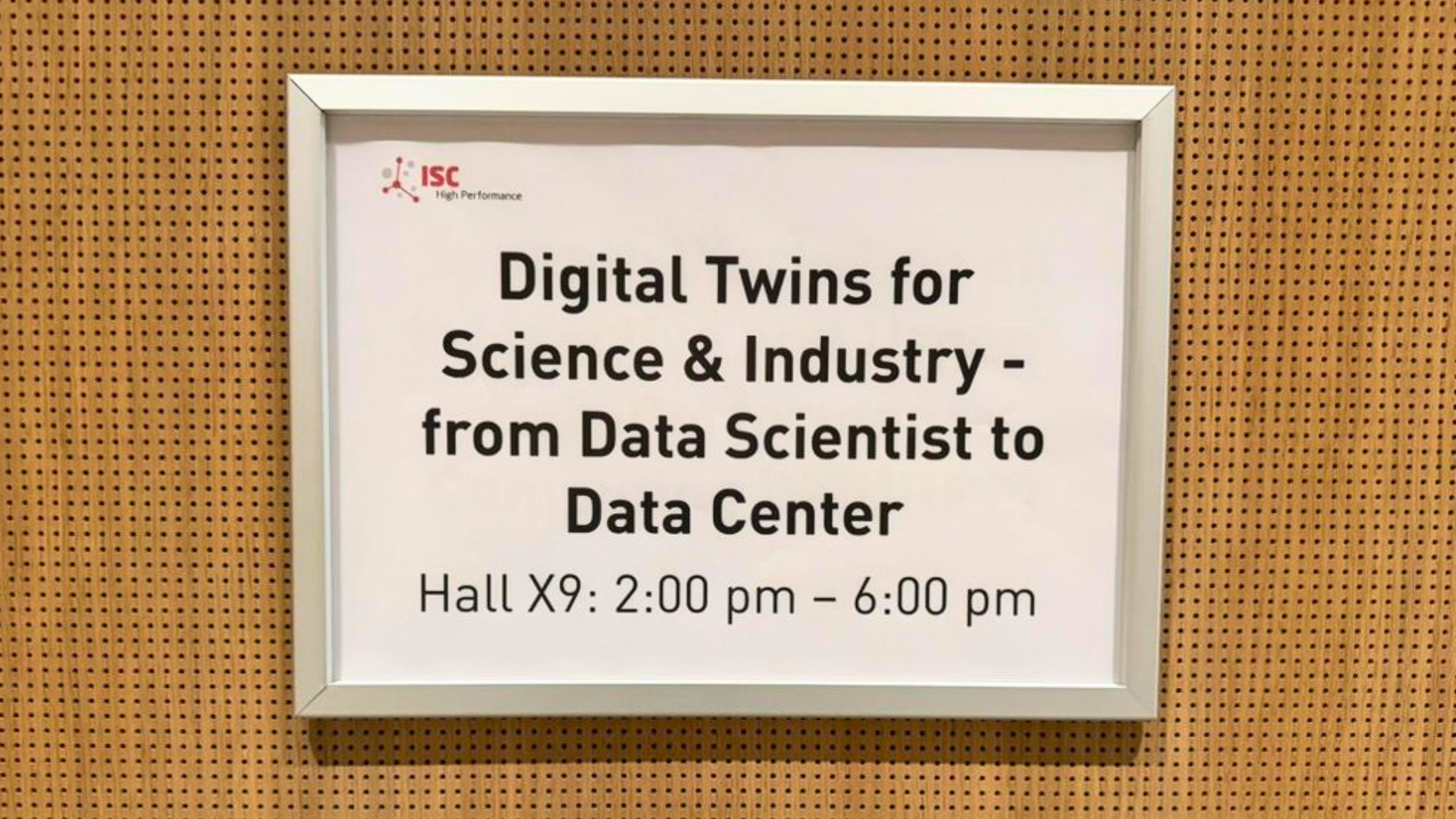
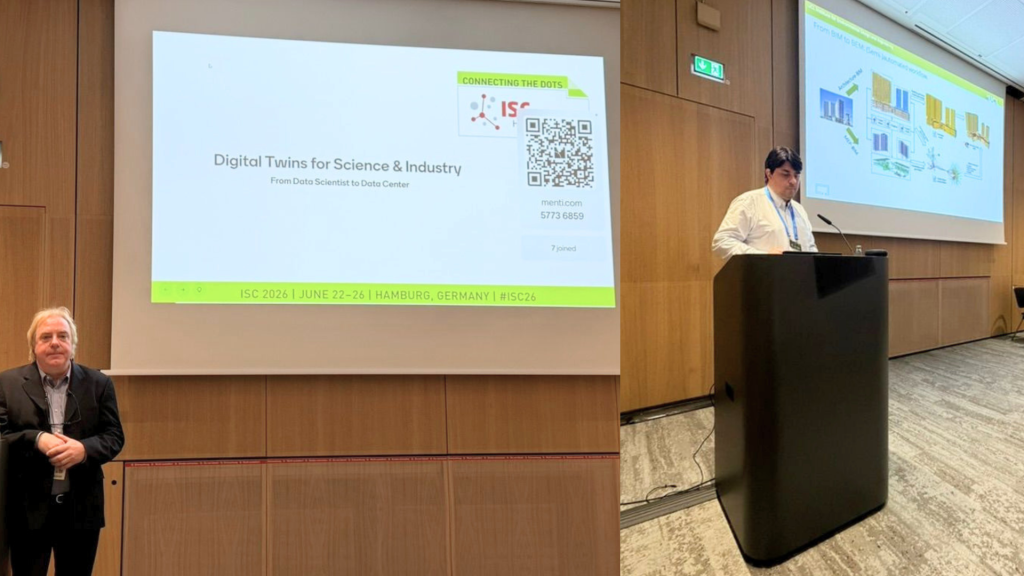
DTERBIM presented at ISC 2026 workshop on Digital Twins and AI
On 26 June 2026, DTERBIM was represented at the workshop "Digital Twins for Science & Industry: From Data Scientist to Data Center", held as part of ISC High Performance 2026 in Hamburg, Germany.
During the workshop, Dimitrios Rovas, Professor of Building Simulation and Optimization at University College London (UCL), delivered the presentation "The Building of the Future: Digital Building Twins and AI Agents for Smart Operations."
His talk explored how Digital Building Twins and AI can support smarter building operation and management, contributing to the digital transformation of the built environment. The workshop brought together participants from academia, industry, research centres, startups, and SMEs.
Learn more about the workshop on the official event website.
Subscribe to our newsletter for future updates, visit our website, and follow us on LinkedIn, Bluesky, X, and YouTube.
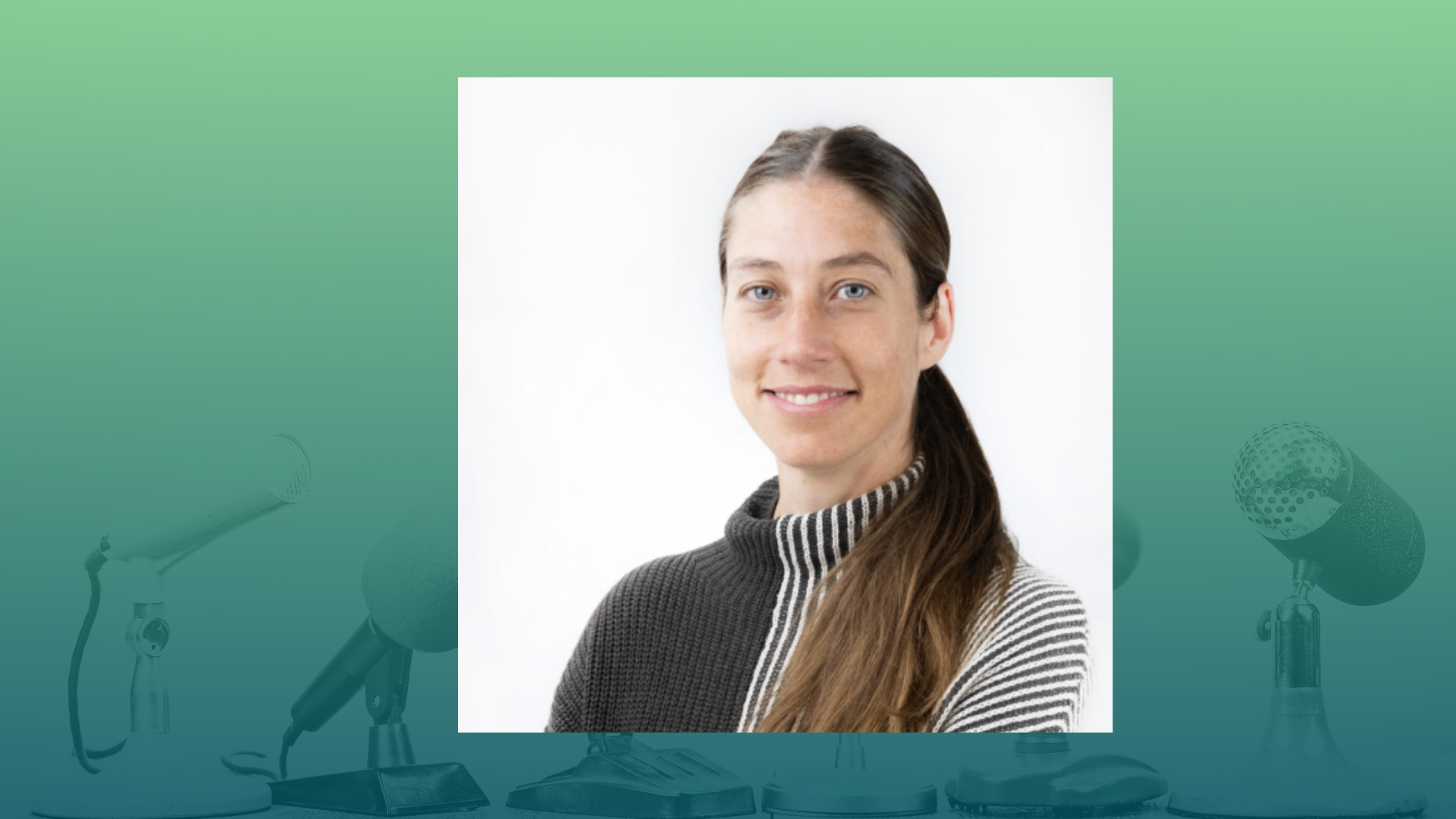
Ane Ferreiro (CYPE): "Our goal is to create a robust environment that enables smooth data exchange, reliable model validation, and efficient collaboration throughout the entire building lifecycle"
Digital collaboration in construction depends on more than powerful tools. It depends on whether those tools can communicate with one another. Interoperability is essential for creating reliable digital workflows, reducing inefficiencies, and enabling better decision-making throughout a building's lifecycle. We speak with Ane Ferreiro, Product Owner and Project Manager at CYPE, about the company's role in developing DTERBIM's openBIM framework.
She explains how her team is helping create a collaborative environment where data, software, and stakeholders can work seamlessly together, laying the foundations for more efficient and interoperable renovation processes.
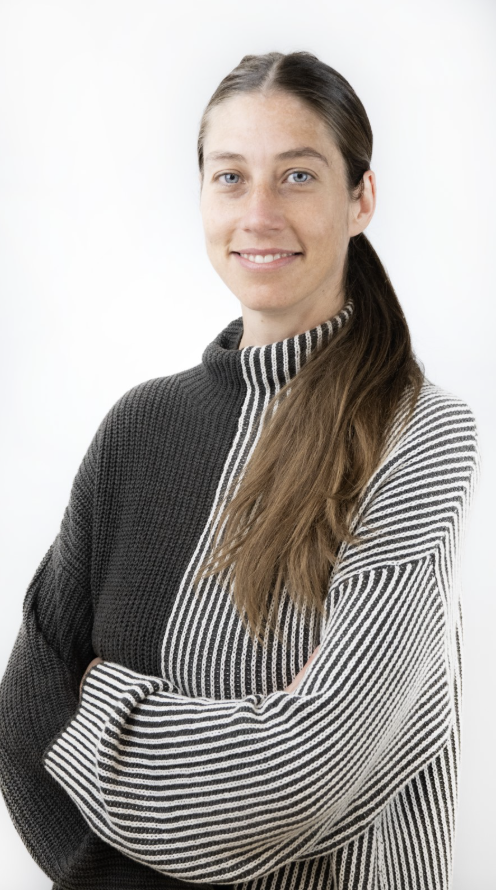
Tell us a bit about yourself. What path led you to your current role at CYPE?
My name is Ane Ferreiro Sistiaga, and I’m an architect working as a Product Owner and Project Manager in the Development Department at CYPE. My background is architecture, with a strong focus on digitalisation, BIM and interoperability. Currently, I am involved in managing and coordinating software development projects, such as CYPE Architecture (BIM modeller) and CYPE Validation (Digital Building Permits).
What do you find most rewarding about your work? What keeps you motivated?
What I enjoy most is working at the intersection of technology and the built environment. It is very rewarding to see how digital tools can make complex processes simpler and more efficient. I am especially motivated by collaboration—working with multidisciplinary teams and international partners to solve real challenges in the construction sector and contribute to innovation that has a tangible impact.
"It is very rewarding to see how digital tools can make complex processes simpler and more efficient."
What is CYPE's role within DTERBIM, and what challenges are you helping to solve?
Within DTERBIM, our team leads Work Package 6, which focuses on developing an interoperable openBIM framework. Our responsibility is to ensure that all tools, data, and processes within the project can work together.
The main challenge we address is interoperability—how to connect different software, data formats, and stakeholders in a unified workflow. In construction projects, information is often fragmented, which leads to inefficiency and errors. Our goal is to create a robust environment that enables smooth data exchange, reliable model validation, and efficient collaboration throughout the entire building lifecycle.
"The main challenge we address is interoperability—how to connect different software, data formats, and stakeholders in a unified workflow."
What progress has your team made so far, and what comes next?
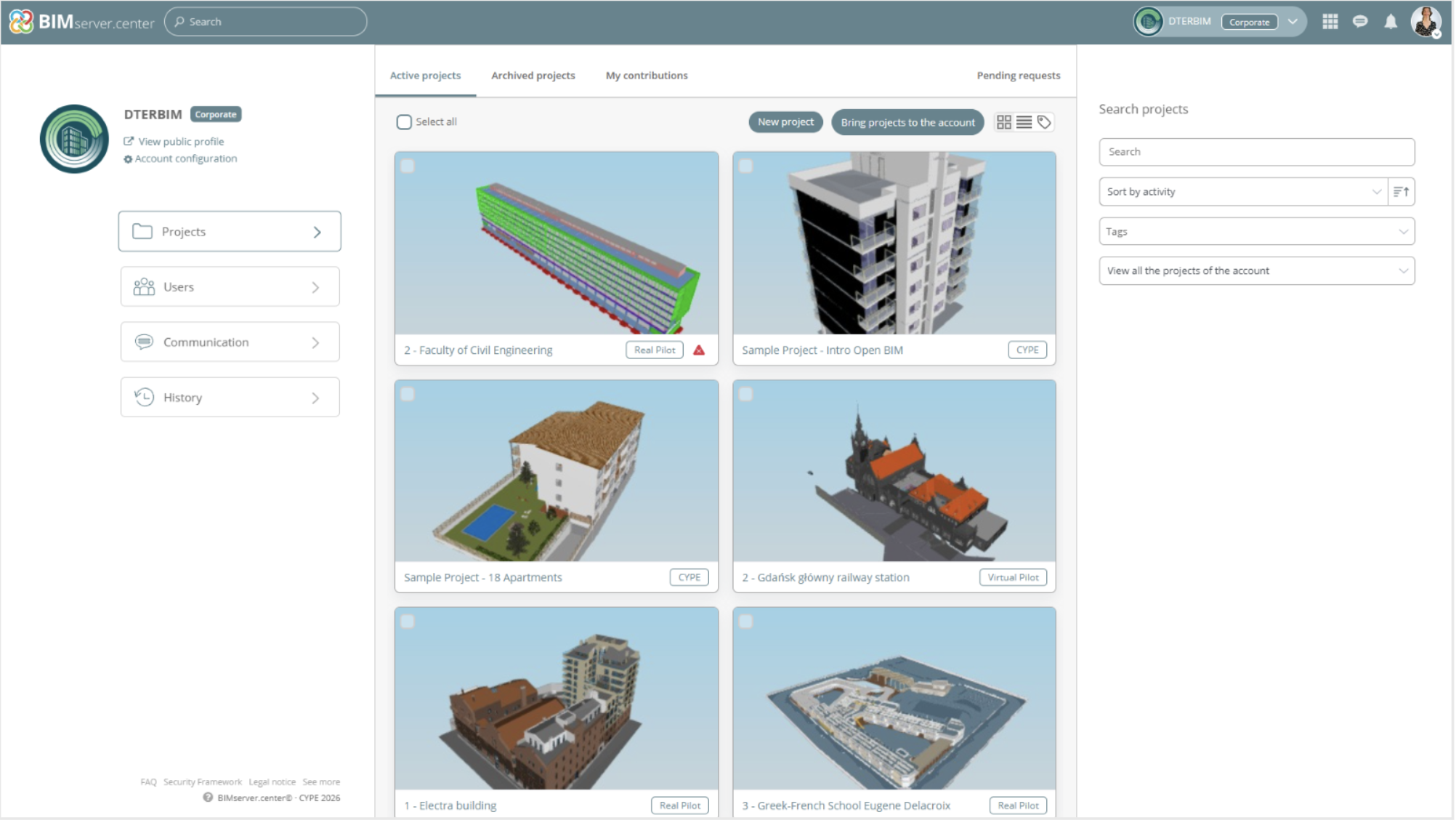
As our work has just started, these first months have been focused on preparing the groundwork for the activities ahead. One of our key priorities has been to ensure that pilot partners share their project information through the BIMserver.center platform and make it accessible to all project partners, enabling a transparent and collaborative environment.
To support this, a dedicated collaborative account has been created in BIMserver.center for DTERBIM, where all partners can work together, share information, and access project data. Roles and permissions have been defined and assigned to ensure that each participant can contribute efficiently while maintaining proper data management and control.
Looking ahead, what impact do you hope DTERBIM will have on the construction sector?
I believe the most significant impact of DTERBIM is its potential to improve how data is managed and shared across the construction sector. By enabling interoperability and integrating dynamic and static data, the project can help reduce inefficiencies, minimise errors, and support better decision-making.
"I believe the most significant impact of DTERBIM is its potential to improve how data is managed and shared across the construction sector."
This is the third in a series of interviews with DTERBIM partners, highlighting the people, expertise, and innovations driving the project forward.
Want to meet more of the experts behind DTERBIM? Follow us on LinkedIn, Bluesky, X, and YouTube, and subscribe to our newsletter for future interviews and project updates.

DTERBIM Newsletter #3: DTERBIM Voices, latest updates, and upcoming opportunities
The third edition of the DTERBIM newsletter includes our most recent milestones, partner activities, upcoming events, and selected news from across the digital, circular, and energy-efficient construction sector.
What’s inside this third edition?
This newsletter features the launch of DTERBIM Voices, our new interview series highlighting the people, expertise, and ideas driving our work forward. The first interviews feature Dimitrios Rovas (University College London) and Stathis Stamatopoulos (ICCS/NTUA), who share how their teams are contributing to the development of solutions for smarter building renovation.
It also contains updates from our partners, highlights from our first periodic meeting in Brussels, details of upcoming events, such as the webinar on 9 July, where our coordinator, Sonia Álvarez (CARTIF), will present our work and discuss how Digital Twins and AI can help build more climate-resilient cities, and a curated selection of insightful resources on construction innovation.
Read the DTERBIM newsletter #3
Subscribe for future updates, visit our website, and follow us on LinkedIn, Bluesky, X, and YouTube.