
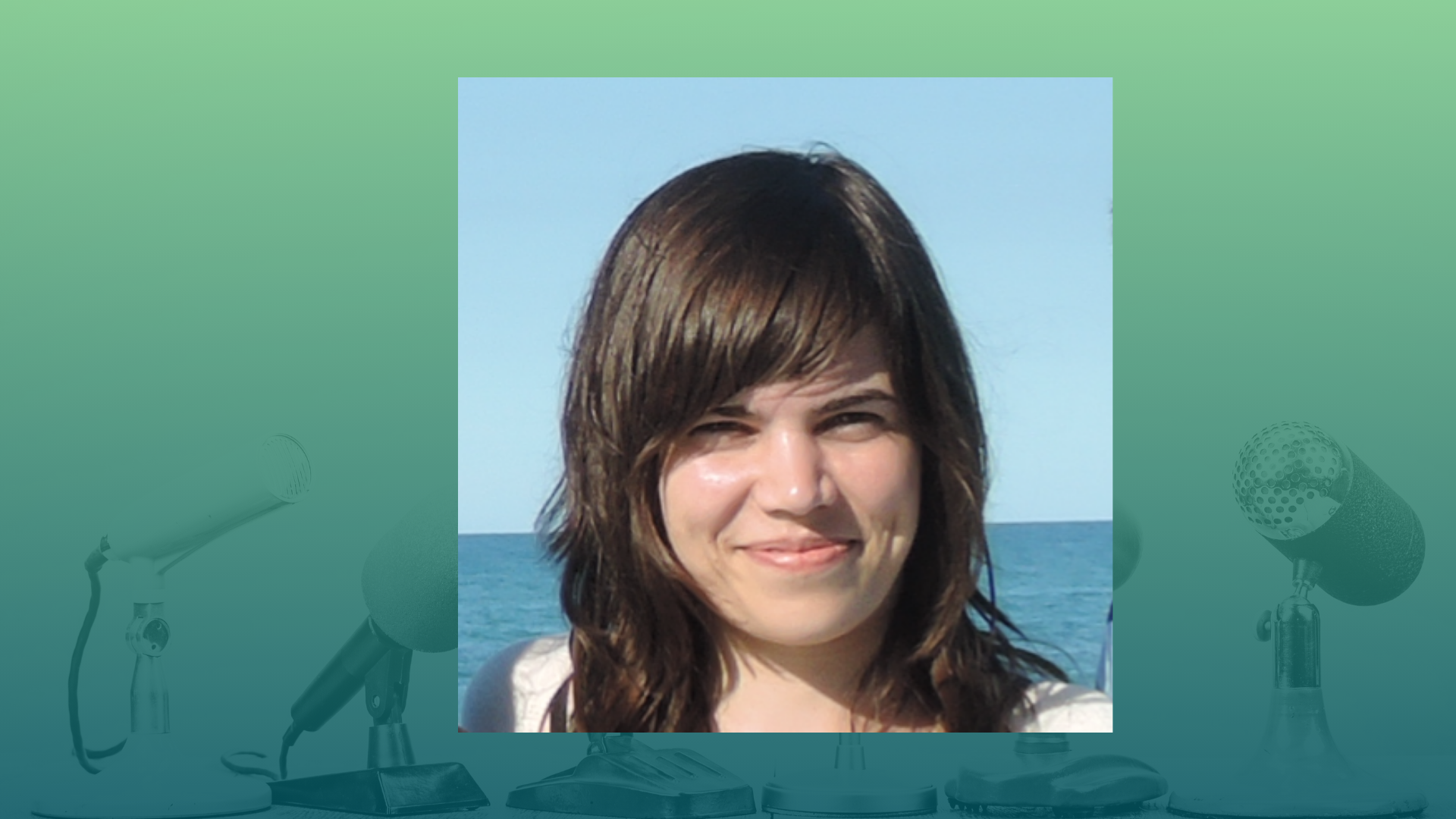
Sonia Álvarez Díaz, DTERBIM Project Coordinator (CARTIF): "My focus is on turning the DTERBIM vision into practical digital tools that support better decision-making during the design and construction phases"
In our previous interview with Sonia Álvarez Díaz, architect and researcher at CARTIF Technology Centre, as part of our #DTERBIMVoices series, we explored her background, her work with digital technologies for the built environment, and what keeps her motivated. In this second conversation, we take a closer look at Sonia’s role within DTERBIM, both as Project Coordinator and as leader of Work Package 4 (WP4), "Digital tools for efficient, circular and sustainable Design & Construction".
She shares what CARTIF is developing within the project, the progress made so far, and her vision for how DTERBIM could contribute to more interoperable, standardised and data-driven workflows across the construction and renovation sector.
Let's zoom in on your role within DTERBIM. What is your team responsible for? What challenge are you addressing?
Within DTERBIM, CARTIF is responsible for developing several of the digital tools that will support the DTERBIM process. This includes the BIM upgrading and enrichment tool, as well as the development of a Digital Building Logbook and the standardisation of the data handover process.
As WP4 Leader, my focus is on turning the DTERBIM vision into practical digital tools that support better decision-making during the design and construction phases. The main challenge we are addressing is how to move from fragmented, poorly connected design and construction workflows to more interoperable, data-driven, and circular processes. WP4 is also important because some of the tools developed within this work package will be among the first DTERBIM solutions to be tested and validated in the real demo sites.
"The main challenge we are addressing is how to move from fragmented and poorly connected design and construction workflows towards more interoperable, data-driven and circular processes."
What has your team achieved so far? And what are your main goals for the next phase of the project?
Regarding WP4, CARTIF has so far progressed in defining the data model for the digital catalogue of Energy Conservation Measures, aligned with the Smart Readiness Indicator and circularity principles. This is an important first step because the catalogue will provide a structured basis for connecting renovation measures with other digital tools developed within the project.
In the next phase, our main goal is to continue developing this catalogue and its connection with other tools, such as the early design tool led by ICCS and the BIM upgrading and enrichment tool developed by CARTIF. These developments are expected to help improve the quality of BIM models and support better decision-making from the early design stages.
These are the most immediate results expected in this work package over the coming months.
In your view, what is the most significant impact DTERBIM could have on the construction sector? What changes would you like to see as a result of your work on the project?
From the WP4 perspective, I believe that one of the most significant impacts of DTERBIM could be to help the sector move towards more interoperable, standardised, and data-driven workflows from the early design and construction phases.
I would like our work to help ensure that BIM information, circularity criteria, material traceability, and enriched digital models are used in a more practical way to support informed decisions throughout the renovation process.
"I would like our work to help ensure that BIM information, circularity criteria, material traceability, and enriched digital models are used in a more practical way to support informed decisions throughout the renovation process."
This is the seventh in a series of interviews with DTERBIM partners, highlighting the people, stories, and ideas driving the project forward.
Want to meet more of the experts behind DTERBIM? Follow us on LinkedIn, Bluesky, X, and YouTube, and subscribe to our newsletter for future interviews and project updates.

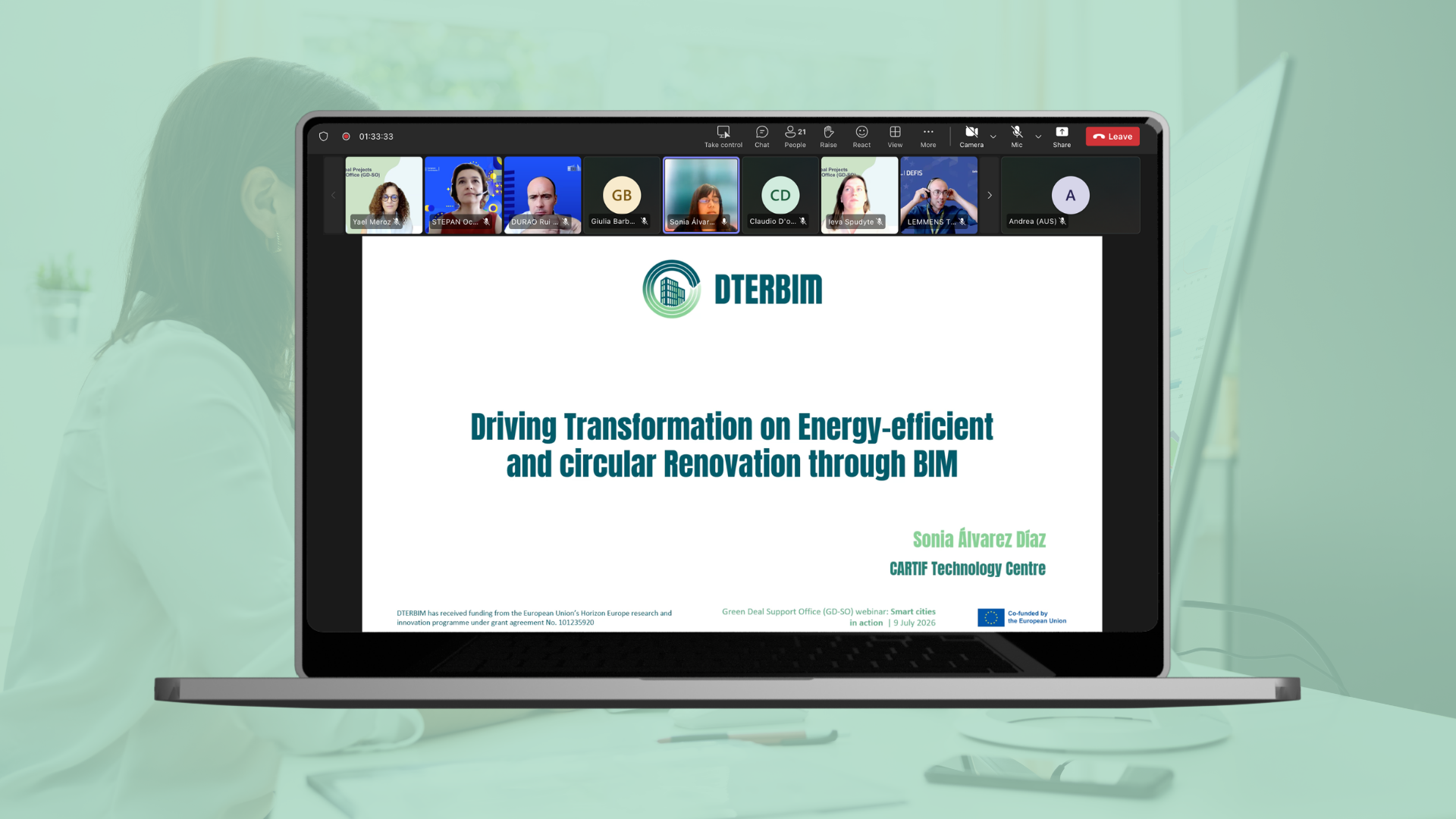
DTERBIM joins Green Deal webinar on Digital Twins, AI, and urban climate resilience
On 9 July 2026, we had the opportunity to present DTERBIM at the webinar "Smart Cities in Action: Digital Twins, Real-time Data, AI, and Mobility for Urban Climate Resilience", organised by the Green Deal Projects Support Office (GD-SO). Our coordinator, Sonia Álvarez (CARTIF), joined representatives from other Horizon Europe, Green Deal, and Horizon 2020 projects, as well as European institutions, to discuss how advanced digital solutions are helping shape smarter, greener, and more resilient cities and address some of today's most pressing urban challenges. EU Green Deal Call, Horizon 2020, and Horizon Europe.
Speakers explored how Digital Twins, Artificial Intelligence (AI), and advanced data management can support more sustainable neighbourhood planning, greenhouse gas monitoring, airport decarbonisation, and energy-efficient building renovation.
The discussion also addressed broader challenges, including data interoperability, system integration, usability for public authorities, and the policy and funding landscape needed to accelerate the adoption of these technologies, in line with EU priorities on climate-neutral cities, sustainable mobility, and environmental data sharing.
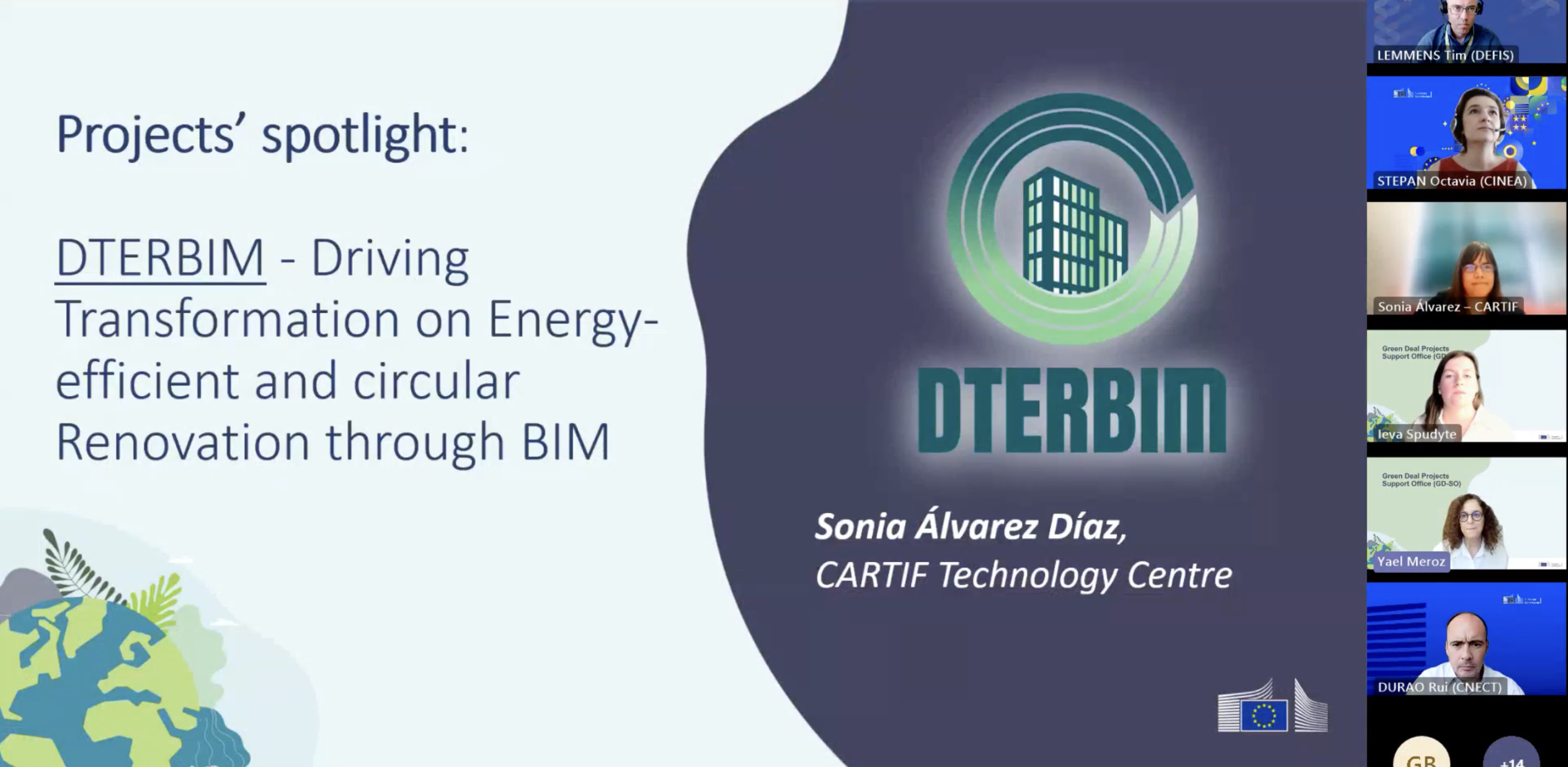
Sonia Álvarez Díaz, DTERBIM's Coordinator and researcher at CARTIF Technology Centre, presented DTERBIM alongside PROBONO, ICOS Cities-PAUL, and STARGATE, highlighting the approaches these projects are taking to support Europe's transition towards climate-neutral cities.
Sonia explained that we are developing an openBIM-based methodology and digital toolkit to support energy-efficient and circular renovation. In particular, she highlighted how we are combining technologies such as Building Information Modelling (BIM), Digital Twins, and AI to improve collaboration, optimise decision-making, and support more sustainable building renovation throughout the entire building lifecycle.
Watch the webinar and download the PPT slides
If you missed the live session or would like to revisit it, you can watch the recording and access the presentation slides below:
https://www.youtube.com/watch?v=cr5aMopXTcg
Thank you to GD-SO for hosting such an insightful discussion and to all speakers for sharing their knowledge!
Subscribe to our newsletter for future updates and follow us on LinkedIn, Bluesky, X, and YouTube.
Sonia Álvarez Díaz, DTERBIM Project Coordinator at CARTIF: "One of the greatest impacts of DTERBIM will be to demonstrate how digitalisation can transform the way we design, renovate and manage buildings"
Delivering a Horizon Europe project goes far beyond developing innovative technologies. It also means bringing together partners with different areas of expertise, aligning technical and strategic objectives, and ensuring that research translates into practical solutions. In this edition of our #DTERBIMVoices series, we speak with Sonia Álvarez Díaz, Project Coordinator of DTERBIM and researcher at CARTIF Technology Centre. With a background in architecture, Sonia shares what motivates her and why collaboration is key to driving the digital and circular transformation of Europe's construction sector.
To begin, could you tell us a little about yourself? What is your background, and what does your work at CARTIF focus on today?
I am Sonia Álvarez Díaz, an architect and researcher in the Energy Division of CARTIF Technology Centre, within the Energy Efficiency Area. I hold a PhD in Architecture, focused on the use of BIM and advanced digital technologies for energy-efficient building renovation projects, as well as a Master’s degree in Technologies for the Protection of Immovable Cultural Heritage.
My current work focuses mainly on the application of digital technologies to energy efficiency management, building and urban renovation, and semantic 3D modeling through GIS and BIM technologies, as well as their connection with Digital Twins.
What aspects of your work do you find most rewarding? What continues to inspire and motivate you?
What I enjoy most is the variety of topics I work on, mainly related to the use of digital technologies in the built environment to improve energy efficiency, from building scale to city scale. I also value the more practical side of my work, such as on-site data collection for building digitalisation and energy audits, as well as the development of decarbonisation plans and energy improvement strategies. This keeps me closely connected to real buildings and real challenges.
What keeps me motivated is learning. I really enjoy learning about new topics, proposing new ideas, and applying them in both proposals and real projects.
"What keeps me motivated is learning. I really enjoy learning about new topics, proposing new ideas, and applying them both in proposals and in real projects."
As DTERBIM's Project Coordinator, what are your main responsibilities? What challenges are you addressing?
Within DTERBIM, I have several responsibilities. My main role is as Project Coordinator, but I am also involved in the technical development of the project. As Project Coordinator, my focus is on ensuring that all technical, organisational, and strategic elements of DTERBIM move in the same direction. I would say this is one of the main challenges of the project.
"As Project Coordinator, my focus is on ensuring that all technical, organisational and strategic elements of DTERBIM move in the same direction."
Looking at the first months of the project, what have been the main achievements? And what priorities lie ahead?
From a coordination perspective, starting a European project always requires a significant effort in terms of management, administration, and technical alignment. During these first months, we have focused on setting up the project structure, supporting the consortium, clarifying initial questions, and addressing the first issues that naturally arise in a project involving 18 partners and three real demonstration sites.
One of the closest objectives at the project level is to have the first definition of the BIM-based renovation and new construction processes across the complete building lifecycle. This will be a collaborative process, based on the analysis of stakeholders' needs, barriers, and challenges in business-as-usual circular and energy renovation practices. This participatory approach is essential to ensure that the solutions developed in DTERBIM are relevant, scalable, interoperable, and useful for the sector.
What impact do you hope DTERBIM will have on the construction sector?
At the general project level, I believe one of the greatest impacts of DTERBIM will be to demonstrate how digitalisation can transform the way we design, renovate, and manage buildings, integrating circularity to achieve more efficient and sustainable processes.
"One of the greatest impacts of DTERBIM will be to demonstrate how digitalisation can transform the way we design, renovate, and manage buildings, integrating circularity to achieve more efficient and sustainable processes."
As a result of our work, I would like to see the Architecture, Engineering, and Construction (AEC) sector move towards a more innovative, sustainable and connected model, where Small and medium-sized enterprises (SMEs) in particular can engage more easily with a collaborative digital ecosystem through the DTERBIM Toolkit and its accessible, cost-effective, and easy-to-use digital solutions.
"I would like to see the AEC sector move towards a more innovative, sustainable and connected model, where SMEs can engage more easily with a collaborative digital ecosystem through the DTERBIM Toolkit."
This is the fourth in a series of interviews with DTERBIM partners, highlighting the people, stories, and ideas driving the project forward.
Want to meet more of the experts behind DTERBIM? Follow us on LinkedIn, Bluesky, X, and YouTube, and subscribe to our newsletter for future interviews and project updates.
Read Sonia Álvarez's second interview, where she expands on her role within DTERBIM, both as Project Coordinator and as the leader of Work Package 4 (WP4), “Digital tools for efficient, circular and sustainable Design & Construction”:
https://dterbim.eu/sonia-alvarez-diaz-project-coordinator-dterbim-interview/
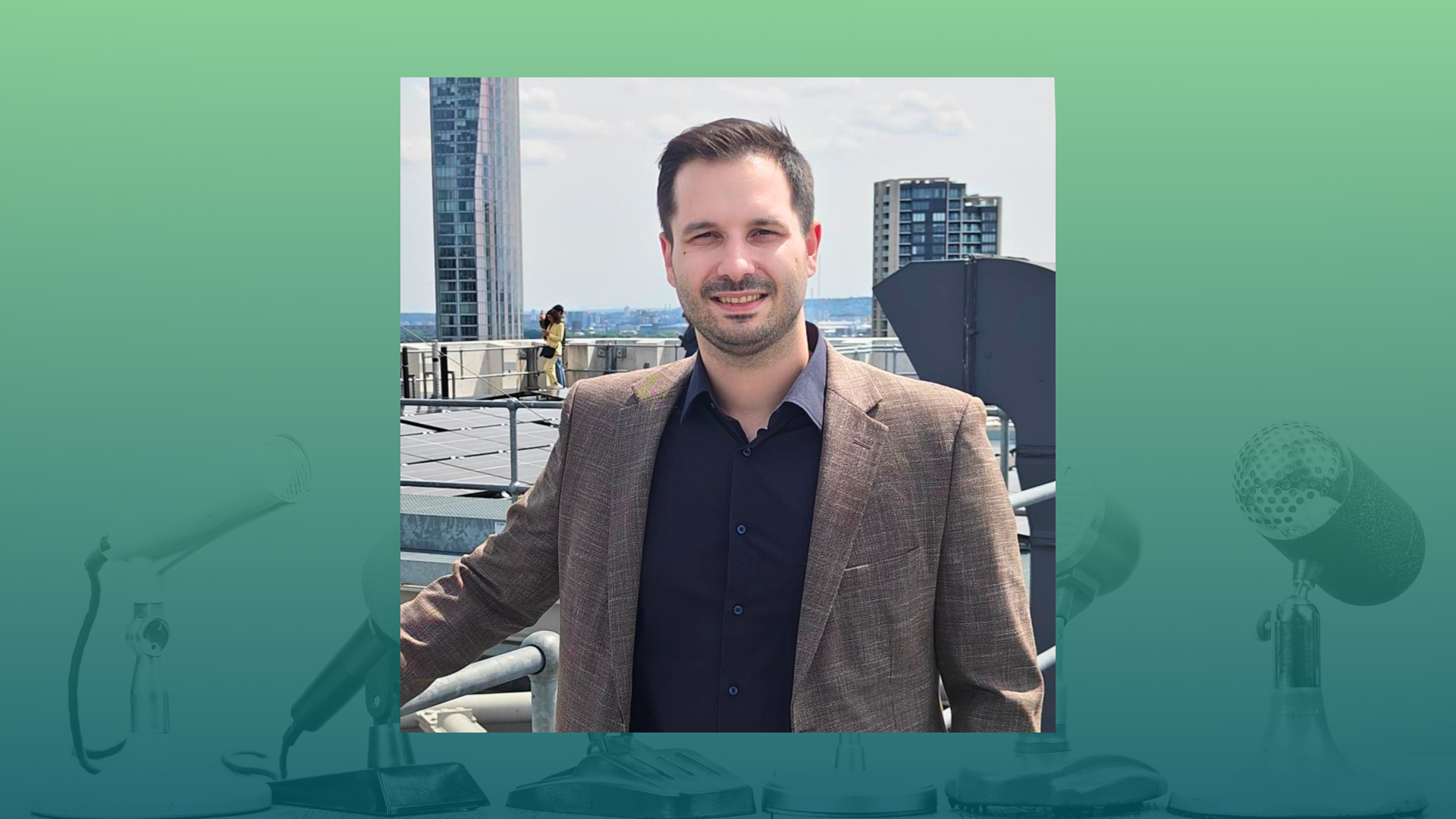
Stathis Stamatopoulos (ICCS/NTUA): "I enjoy when something abstract (a model, a forecast, an algorithm) becomes a decision that improves how a real building runs"
What does it take to make a building "smart"? For Stathis Stamatopoulos, researcher at the Institute of Communication and Computer Systems (ICCS/NTUA), it comes down to turning data into decisions; forecasts that lower energy bills, simulations that improve comfort, and tools that help design better buildings before construction even begins.
In this interview, Stathis tells us about his work leading the development of AI-based operation tools and an early design tool for DTERBIM, and why he believes digital twins should one day be as common as central heating.
Could you briefly introduce yourself? What is your background, and what kind of work do you focus on currently?
I am Stathis Stamatopoulos, researcher at the Institute of Communication and Computer Systems (ICCS), the research arm of the School of Electrical and Computer Engineers of the National Technical University of Athens.
I hold an Engineer Master's degree in Electrical and Computer Engineering, and I am currently a doctoral candidate in decision support systems utilising machine learning techniques in buildings. Today, I work mainly on Horizon Europe projects, managing technical project teams but also supporting research and technical developments.
In DTERBIM, I lead Work Package 5 (WP5), "Digital tools for optimal Operation & Maintenance and Deconstruction." WP5 is, in a sense, where DTERBIM meets the real world: it covers everything that happens after a building is designed and built.
On one side, we develop the tools that keep a building running well day to day, while on the other, WP5 also looks at the end of a building's life. ICCS leads WP5 as a whole and is directly responsible for the AI-based energy profiling and the indoor environmental quality simulation and optimisation.
What do you enjoy most about your work? What keeps you motivated?
I enjoy the moment when something abstract (a model, a forecast, an algorithm) becomes a decision that improves how a real building runs. Energy bills drop, comfort improves, and a maintenance issue is caught before it becomes a failure. That tangibility is rare in research, and it keeps the work grounded. I'm also motivated by the dynamic environment of European research and innovation: every year brings new challenges to tackle, new partners to work with, and new ideas to test, and that constant movement is what keeps the work exciting.
"I enjoy the moment when something abstract (a model, a forecast, an algorithm) becomes a decision that improves how a real building runs."
Now let's zoom in on your role within DTERBIM. What is your team responsible for, and what challenge are you addressing?
In WP5, the ICCS team directly leads two of the most data- and AI-intensive tasks. Our team is building the scalable workflows and AI models that turn raw energy data into operational intelligence.
We work with deep learning architectures alongside gradient-boosting trees to produce high-resolution energy profiles and forecasts at device, room, and whole-building levels.
We also address the fact that "comfort" is multidimensional: it includes thermal conditions, as well as acoustics, lighting, and visual comfort, and these dimensions interact. We are building a simulation and optimisation framework that fuses static BIM data with real-time sensor streams and evaluates operational plans against established references.
We are also developing dynamic thermal simulation models that predict indoor temperature and humidity, and predictive algorithms that model occupant behaviour and interactions with the spaces they use. In collaboration with the IEQ optimisation service, our aim is to achieve adaptive comfort: HVAC (Heating, Ventilation, and Air Conditioning) setpoints that adjust automatically to actual preferences and usage patterns rather than a fixed schedule.
Beyond operational methodologies and tools, ICCS also leads the development of the "Early design tool supporting efficiency, circularity and inclusiveness", which sits at the opposite end of the building lifecycle. ICCS develops a decision-support tool that helps designers, owners, and investors compare design and renovation scenarios on energy, cost, environmental, sustainability, circularity, and accessibility indicators before a building is built or refurbished.
"We are developing a decision-support tool that helps designers, owners, and investors compare design and renovation scenarios on energy, cost, environmental, sustainability, circularity, and accessibility indicators before a building is built or refurbished."
What has your team achieved so far, and what are your main goals for the next phase of the project?
In this first year, our most visible progress as ICCS has been on the early design tool. It is one of the first tasks to deliver tangible technical output in DTERBIM. It started early in Month 2 and, as a result, has already moved beyond specifications into a working interface and a first set of functionalities.
We have designed the user interface, implemented the first functionalities that allow designers, owners, and investors to compose and compare early designs, and put those early versions in front of relevant stakeholders to gather structured feedback.
For the next phase, our priorities are clear. First, we will deliver the early design tool, refined based on stakeholder feedback and ready to support the design-stage release of the DTERBIM Toolkit. Second, we push our other activities from their methodological foundations into running implementations.
In your view, what is the most significant impact DTERBIM could have on the construction sector? What changes would you like to see as a result of your work on the project?
From the work that ICCS leads in DTERBIM, two concrete shifts matter most to me. First, better decisions earlier: design tools that put energy, cost, environmental, circularity, and accessibility indicators in front of designers and owners when changing course is still cheap. Second, buildings that are operated proactively rather than reactively: AI services that anticipate inefficiencies, comfort issues, or failures before they happen, and that close the long-standing trade-off between energy performance and occupant comfort.
The change I want to see is cultural: digital twins moving from a technology buzzword to a piece of everyday infrastructure that owners, facility managers, ESCOs (Energy Service Companies), designers, and even occupants rely on without thinking about it.
If five years from now, a mid-sized building owner in Europe expects to operate their building with a digital twin the same way they expect to have heating, then DTERBIM will have made a real difference.
"If five years from now a mid-sized building owner in Europe expects to operate their building with a digital twin the same way they expect to have heating, then DTERBIM will have made a real difference."
This is the second in a series of interviews with DTERBIM partners, highlighting the people, expertise, and innovations driving the project forward.
Want to meet more of the experts behind DTERBIM? Follow us on LinkedIn, Bluesky, X, and YouTube, and subscribe to our newsletter for future interviews and project updates.
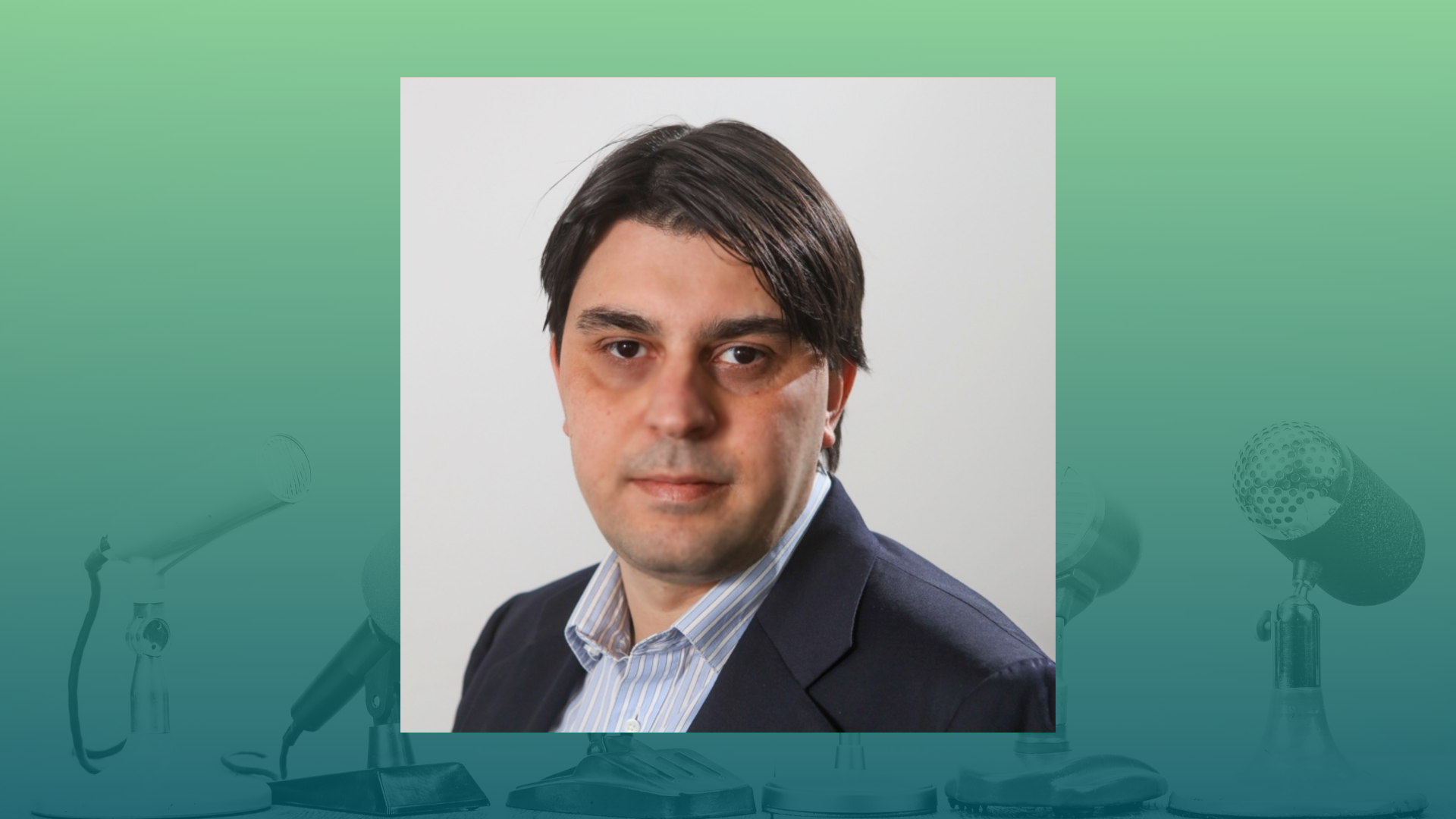
Dimitrios Rovas (UCL): "The wider ambition is a built environment in which good data quality is the foundation for lower-carbon, lower-cost, and more circular renovation"
How can we ensure that digital building models contain the information needed to support better renovation decisions? In this interview, Dimitrios Rovas, Professor of Building Simulation and Optimization at University College London (UCL), explains how his team is helping establish the BIM-based process, data requirements, and quality assurance methods on which DTERBIM relies, and reflects on the challenge of making digital building models more reliable.
Let's start with you. Could you briefly introduce yourself? What is your background, and what work do you focus on currently?
My name is Dimitrios Rovas, and I am a Professor of Building Simulation and Optimization at UCL, within the Bartlett School of Environment, Energy and Resources. My background is in mechanical engineering, but for more than a decade, my work has centred on information management: specifically, how digital building information can be made reliable enough to support decisions across a building’s whole life. This spans BIM-based data modelling, semantic sufficiency, and the enrichment of models to ensure they are fit for simulation and analysis. I have pursued these questions through a series of European projects, including COGITO, BIMERR, BuildON, CBIM, and DigiBUILD.
What do you enjoy most about your work? What keeps you motivated?
What I find most rewarding is working where research meets practice. The questions are genuinely difficult, yet the answers have to survive contact with real buildings and real project teams. I am motivated above all by the gap between what digital models could do and what they currently do; closing it means the information we produce becomes something practitioners can trust and reuse, rather than a model that is built once and then set aside. Watching a method move from a paper to a pilot site, and seeing it hold up there, is the part I enjoy most.
"Watching a method move from a paper to a pilot site, and seeing it hold up there, is the part I enjoy most."
Now let's zoom in on your role within DTERBIM. What is your team responsible for? What challenge are you addressing?
UCL leads Work Package 3, which defines the integrated, BIM-based process on which the rest of DTERBIM is built. In practice, this means we are responsible for establishing how information should flow across a building’s lifecycle, from early design through to eventual deconstruction, and for ensuring that the digital models and tools used along the way share a common, open language.
We coordinate the partners who specify what data each stage requires, who define the openBIM tools and standards that carry it, and who prepare the pilot building models so that they are fit for the analyses the project depends on.
UCL’s own technical contribution lies in two areas in particular:
- assessing whether each pilot model holds enough information for its intended use,
- and developing the methodology for checking, correcting, and enriching those models where it does not.
The challenge is a long-standing one in the sector. Building models are usually produced for a single purpose, such as design or visualisation, and are then reused for tasks they were never prepared for, such as energy simulation, automated compliance checking, or lifecycle and circularity assessment. When information is missing or inconsistent, whether incomplete heating and cooling data, undefined space boundaries, or weak links between static and sensor data, those analyses become unreliable or impossible. Our work establishes how to systematically identify these gaps and close them, so that the pilot models become dependable digital assets for the whole project.
"Building models are usually produced for a single purpose, such as design or visualisation, and are then reused for tasks they were never prepared for."
What has your team achieved so far? And what are your main goals for the next phase of the project?
The work has started strongly, and much of this first year has gone into understanding the problem and beginning to build the foundations on which the rest of the project will stand. This remains very much an ongoing process. We are working with the partners to understand what information and data each stage of a renovation actually requires, and to express those requirements in open, machine-readable standards; in parallel, we have started to examine the existing models for the three pilots in Spain, Poland, and Greece, gradually building a picture of where they are complete and where they fall short.
For the next phase, our priorities are to consolidate the data sufficiency analysis and to develop a practical enrichment methodology; this is a clear set of guidelines that partners can follow to raise the quality of their models, improve geometry and semantic consistency, and add the information needed for reliable energy and circularity analysis. Because these outputs feed into the design, construction, and operation tools developed elsewhere in DTERBIM, establishing the underlying process carefully now matters a great deal for what follows.
In your view, what is the most significant impact DTERBIM could have on the construction sector? What changes would you like to see as a result of your work on the project?
The most significant impact, in my view, would be to make high-quality, information-rich building models the norm rather than the exception. At present, a great deal of effort across the sector is wasted because digital models cannot be trusted to support the analyses we want to run on them; people fall back on manual checks, re-enter data, or forgo the more advanced assessments altogether.
"The most significant impact, in my view, would be to make high-quality, information-rich building models the norm rather than the exception."
If DTERBIM succeeds, I would like to see two changes in particular. First, that checking and enriching a model against clear, shared information requirements becomes a routine, semi-automated step rather than a bespoke struggle each time. Second, that this reliability unlocks better decisions across the building lifecycle: more confident energy renovation, genuine material reuse, and digital twins that practitioners actually depend on. The wider ambition is a built environment in which good data quality is the foundation for lower-carbon, lower-cost, and more circular renovation.
This is the first in a series of interviews with DTERBIM partners, highlighting the people, expertise, and innovations driving the project forward.
Want to meet more of the experts behind DTERBIM? Follow us on LinkedIn, Bluesky, X, and YouTube, and subscribe to our newsletter for future interviews and project updates.
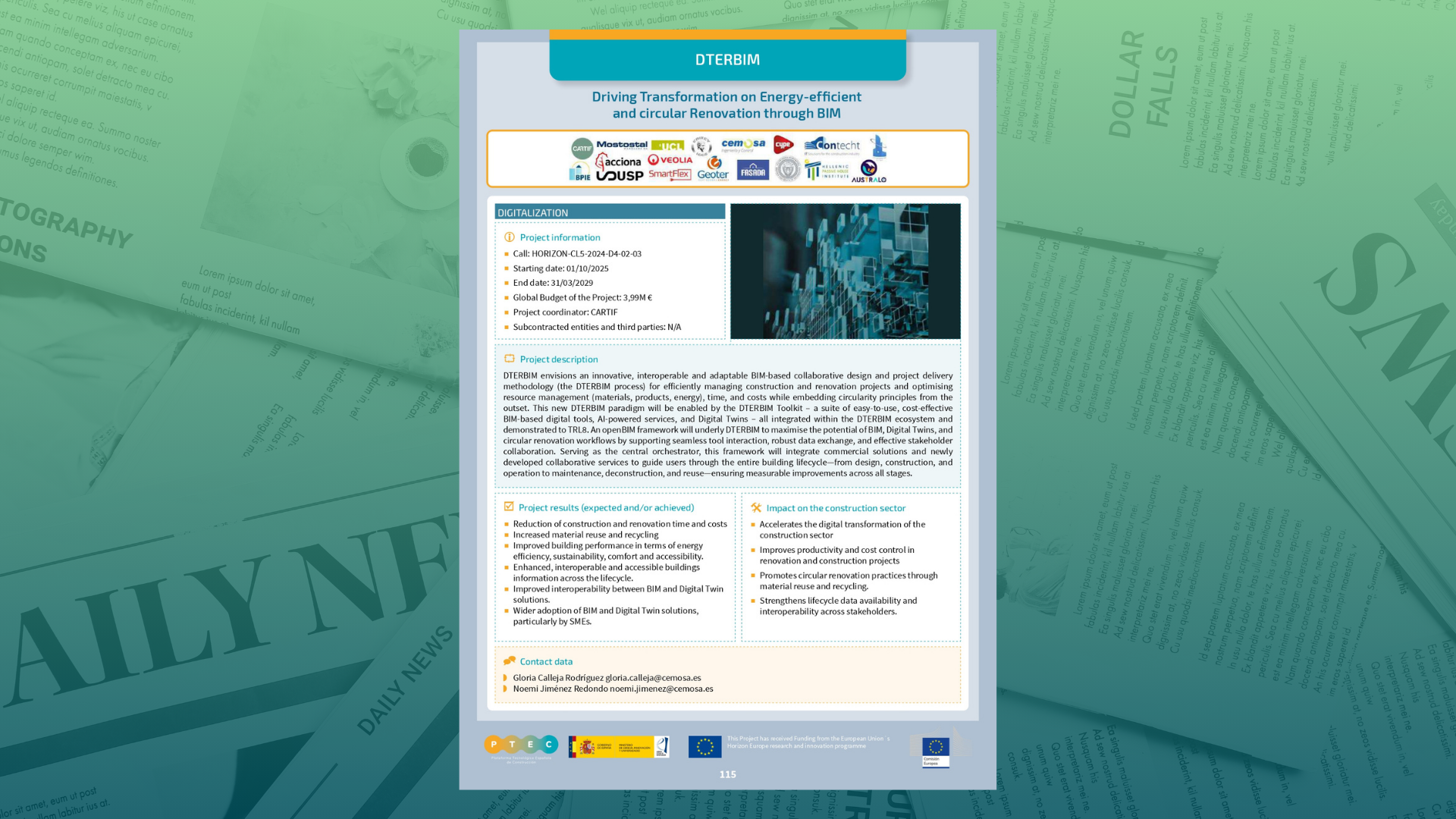
DTERBIM appears in the PTEC 2025 Projects Yearbook through partner CEMOSA
DTERBIM has been featured in the Spanish Construction Technology Platform (PTEC) 2025 Projects Yearbook, a publication that brings together leading national and European initiatives driving innovation in the construction sector.
The publication includes projects organised around key thematic areas shaping the future of construction, including digitalisation, sustainability, circularity, and energy transition. DTERBIM is included among the European projects contributing to a more digital, interoperable, and resource-efficient built environment.
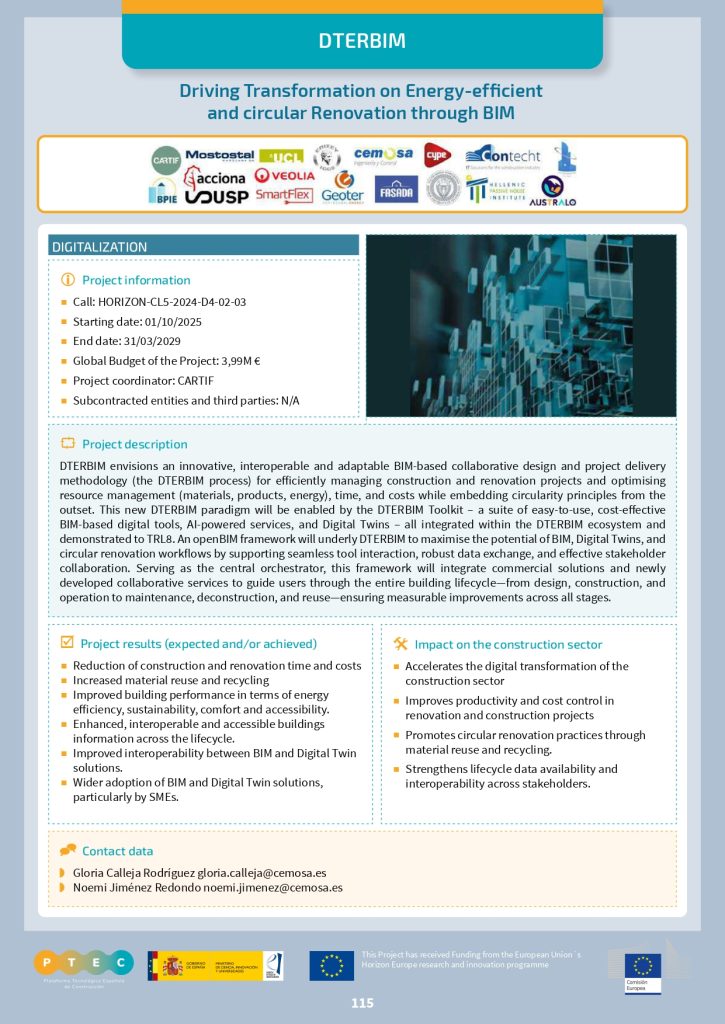
Recognising CEMOSA’s contribution to innovation
This edition features 23 European projects, 11 of which involve our partner CEMOSA, including DTERBIM alongside initiatives such as BEGONIA, OMICRON, SARIL, DeCO2, INHERIT, MOVEO, openDBL, and EBENTO.
CEMOSA is also involved in several national projects focused on strategic areas such as sustainable cities and mobility, digitalisation of river basins, and energy transition.
This recognition reflects CEMOSA’s ongoing commitment to developing innovative solutions that contribute to a more sustainable, digital, and efficient construction sector.
DTERBIM’s vision for digital and circular renovation
As presented in the publication, at DTERBIM we are developing an open, interoperable and adaptable BIM-based collaborative methodology — the DTERBIM process — to improve the management of construction and renovation projects across the entire building lifecycle.
Through our DTERBIM Toolkit, a suite of user-friendly, cost-effective digital tools, AI-powered services, and Digital Twins integrated within an openBIM ecosystem, we aim to support more efficient workflows, stronger stakeholder collaboration, and better management of materials, energy, time, and costs while embedding circularity principles from the beginning.
Explore the PTEC 2025 Projects Yearbook to learn more about the many innovation projects helping shape the future of construction.
Join our community to receive updates, visit our website, and follow us on LinkedIn, Bluesky, X, and YouTube.
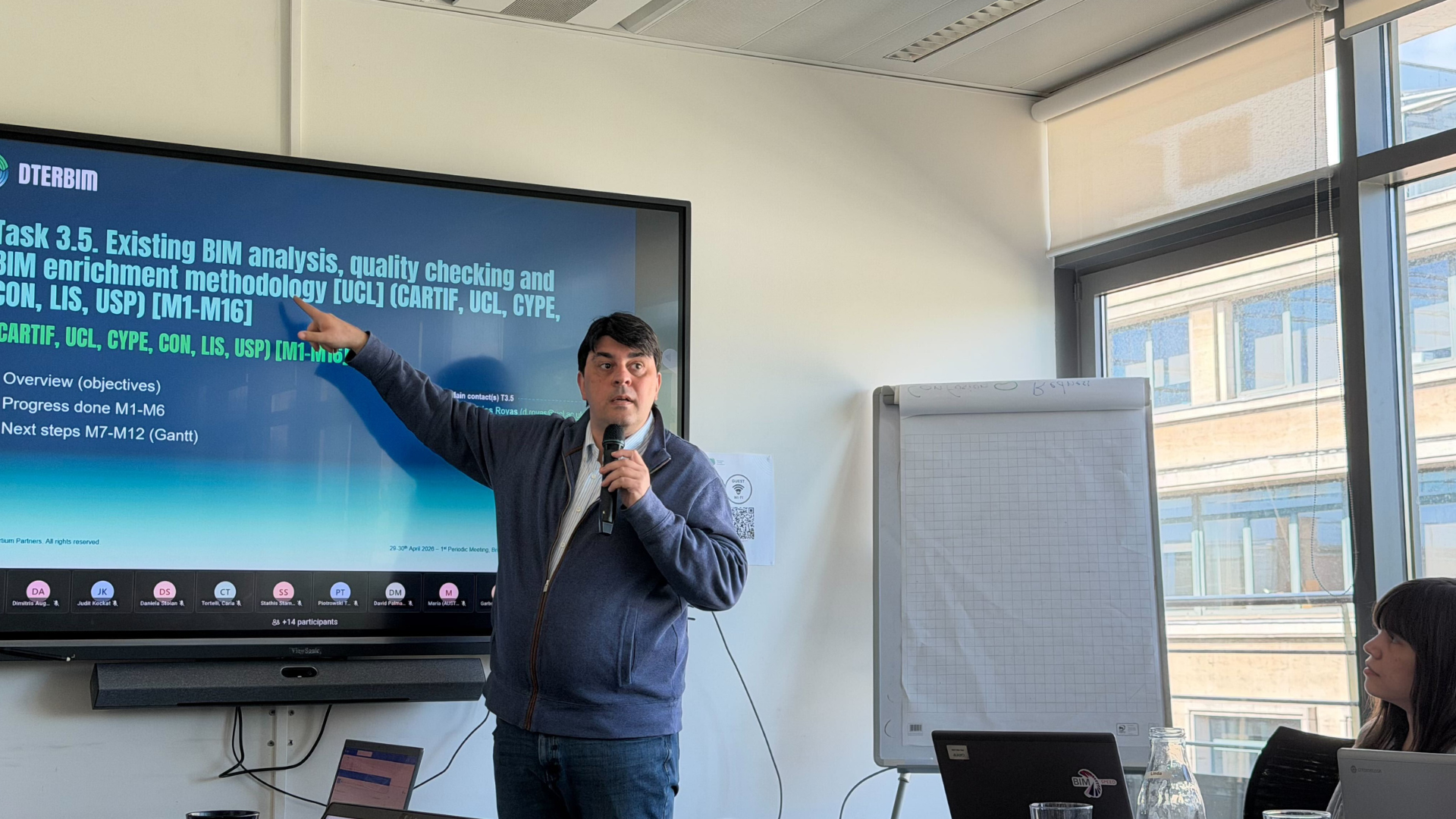
DTERBIM holds its first periodic meeting in Brussels
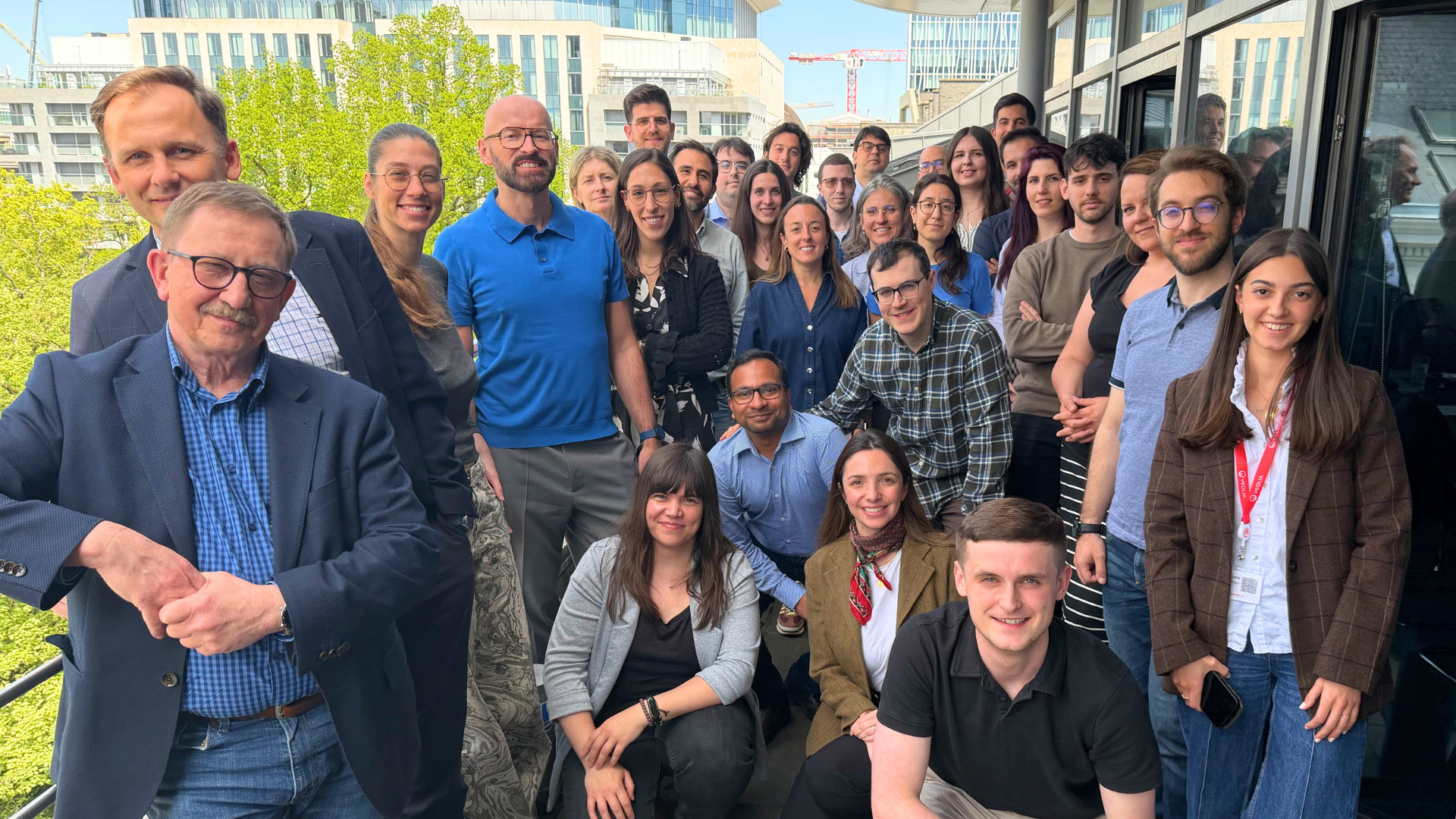
The DTERBIM team came together in Brussels for its first periodic meeting, an important milestone in the project's first phase. Hosted by the Buildings Performance Institute Europe (BPIE) on 28 and 29 April 2026, the two-day meeting brought together representatives from the project's 18 partner organisations to review progress, address challenges, and align on the next steps.
The meeting started with a welcome by BPIE and a project overview from the coordinating partner, CARTIF, followed by a review of progress across project management and coordination.
The session offered a valuable opportunity to reflect on the progress achieved so far and clarify priorities for the months ahead, as well as time to reconnect in person and coordinate across technical and pilot activities.
The discussions also highlighted a shared understanding across the consortium: innovation is not only about developing advanced digital tools, but about making them practical, efficient, and adaptable to the everyday realities of the renovation sector. Keeping solutions simple, useful, and shaped by the people who will use them will be an important focus in the months ahead.
Technical progress across the board
A significant part of the first day was dedicated to updates from the project's core technical areas. Partners presented progress on the integrated BIM-based process definition, covering topics such as the development of circular energy renovation workflows, data needs and collection methodology based on openBIM standards, and approaches to BIM quality checking and enrichment.
Teams working on digital tools for efficient, circular and sustainable design and construction shared advances in several areas, including an SRI-aligned catalogue of energy conservation measures, early design tools integrating circularity and inclusiveness, semi-automatic upgrade of BIM models based on the DTERBIM catalogue, and a Building Material Passport for tracking construction products across their lifecycle. Updates on digital tools for operation, maintenance, and deconstruction (reuse and recycling) concluded the first day’s technical sessions.
Partners then presented progress on the DTERBIM interoperable openBIM framework, a key aspect of our mission to create a connected, standards-aligned digital ecosystem for the built environment.
The communications and dissemination team also reported on activities from the first phase, covering outreach, communication channels development, and early exploitation and innovation management planning.
Workshops: getting into detail
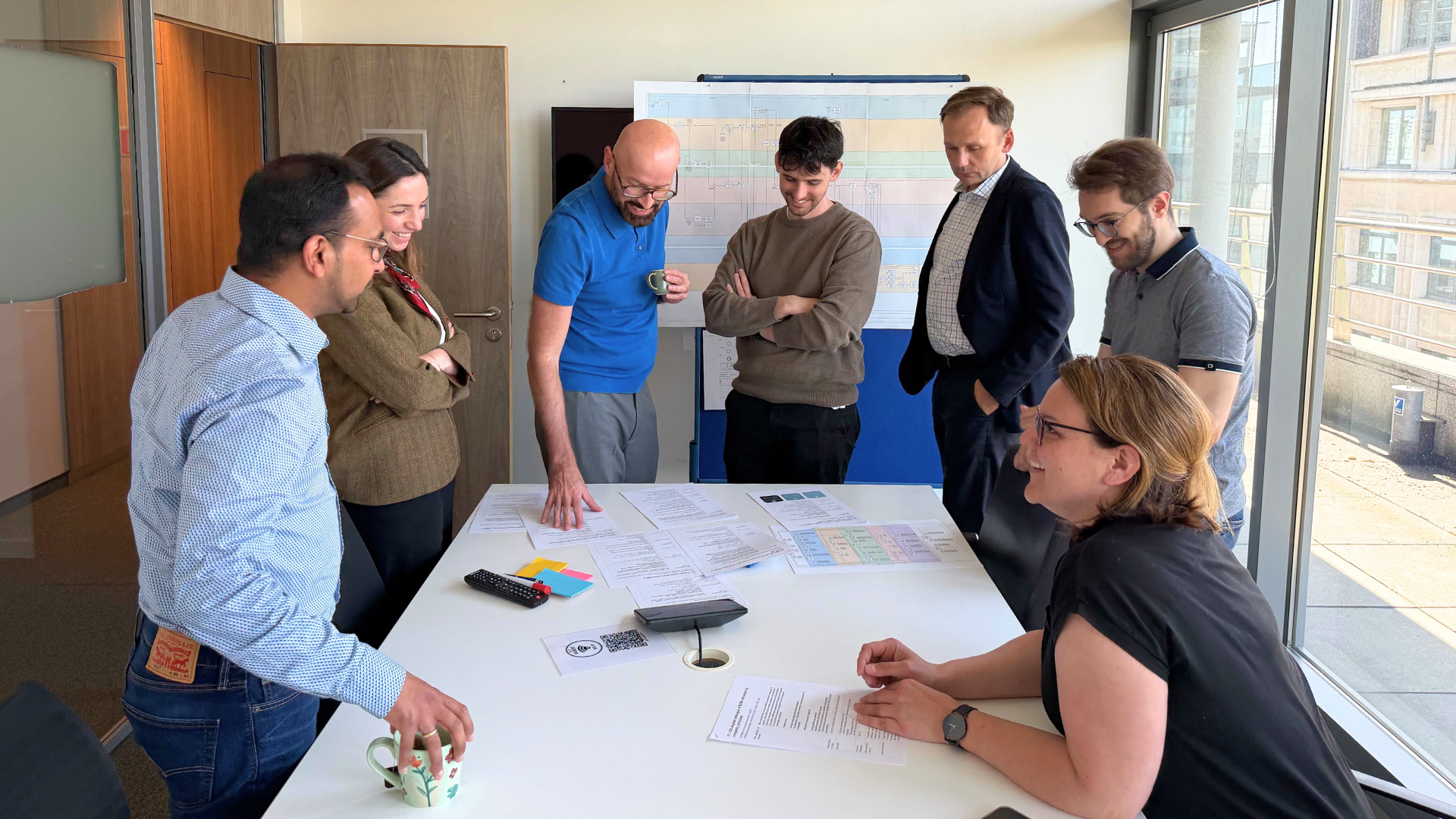
Two dedicated workshops gave partners the space to work collaboratively on some of the meeting's most substantive topics. The first focused on the workflow for circular energy renovation supported by participatory approaches, a thread that connects technical development with real-world stakeholder engagement. The second centred on defining use cases for scenario-based process validation, a critical step towards ensuring that DTERBIM's tools and methodologies hold up under real conditions.
Pilots take centre stage
Day two opened the floor to the project's real-life and virtual pilot teams. Representatives from the Spanish, Greek, and Polish pilot sites, covering buildings in Valladolid, Athens, and Warsaw, respectively, presented their progress on data collection and preparation, a reminder that all the technical work ultimately lands in real buildings, with real obstacles and opportunities.
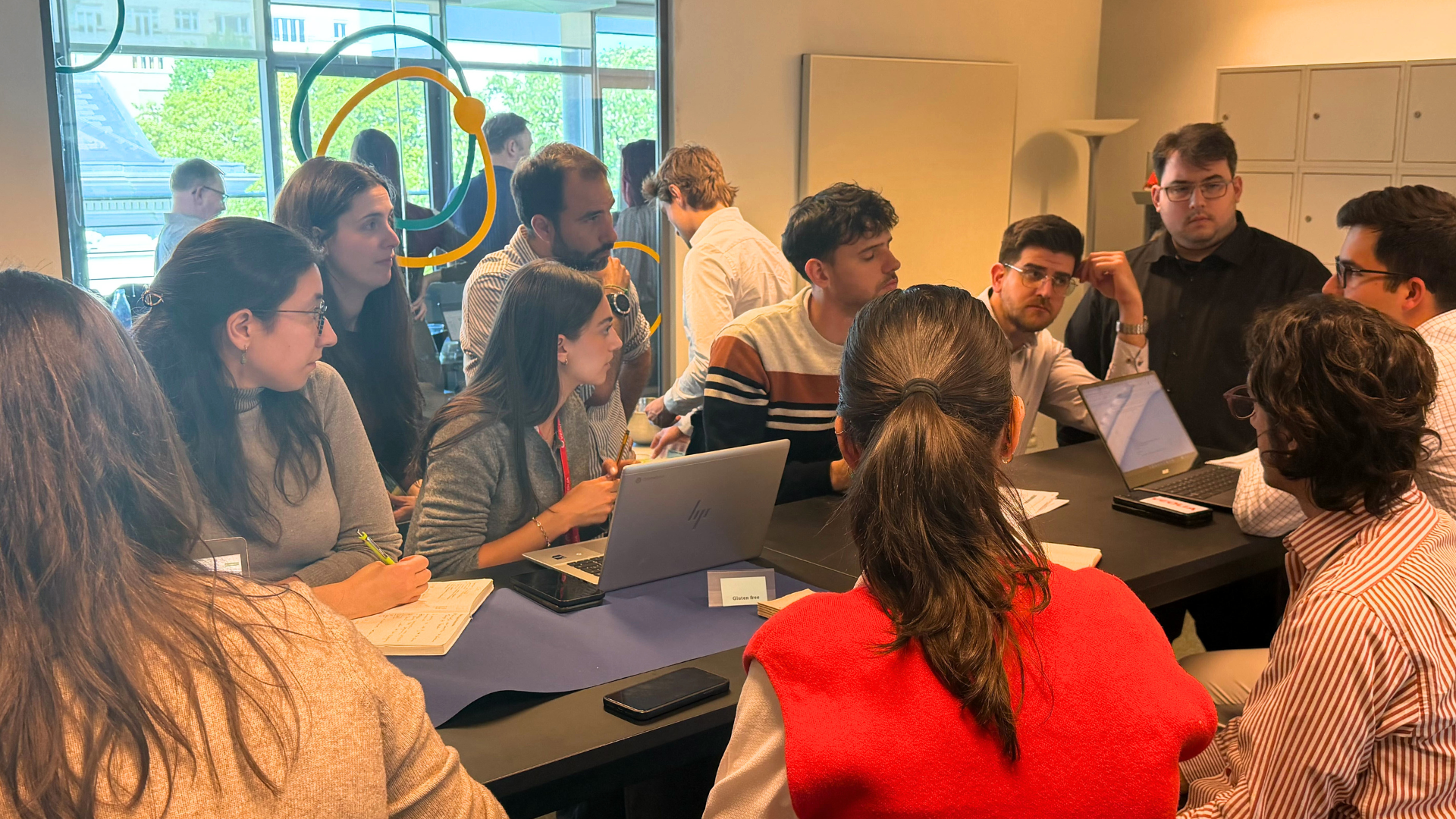
The meeting closed with a session on conclusions and open questions, giving the DTERBIM team an overview of key next steps. With pilots progressing, tools taking shape, and the openBIM framework advancing, DTERBIM is entering an exciting new phase.
Over the coming months, the consortium will focus on deepening the technical work, advancing pilot validation, and continuing to engage the wider sector, while demonstrating how digital tools can accelerate circular and energy-efficient renovation across Europe.
Subscribe for future updates, visit our website, and follow us on LinkedIn, Bluesky, X, and YouTube.