
DTERBIM pilots: A look at data collection in Warsaw
Behind every Digital Twin, BIM model, and AI-powered tool lies a key ingredient: high-quality data. At the DTERBIM Polish pilot site, our team has been capturing and processing detailed data that will serve as the foundation for the digital models used throughout the project.
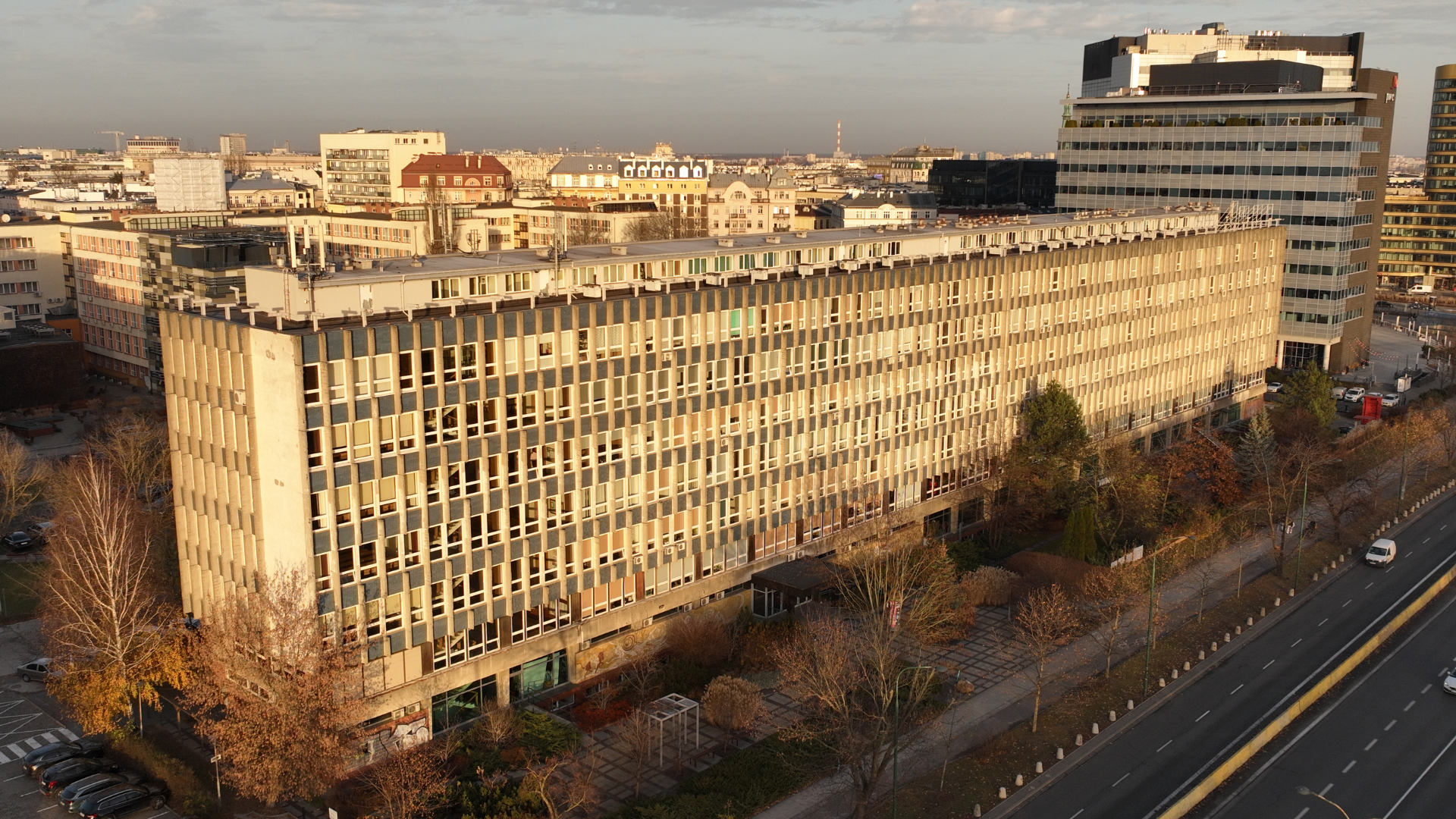
The building in question is the Faculty of Civil Engineering at Warsaw University of Technology. Built between 1970 and 1976 and located in the heart of Warsaw, the facility is scheduled for revitalisation and extension works due to its current condition. This makes it an ideal case study for demonstrating how digital technologies can support complex, real-world renovation challenges.
How is it all coming together? To showcase the process, we have created a series of short videos. Here is what you will discover:
Building scanning
The building selected for this pilot had no reliable as-built documentation available. Before any renovation works can begin, an accurate digital record of the existing structure is needed, which is what this scanning provides.
This video presents the data collection process at the Warsaw University of Technology, one of our three real-life demonstration pilots. It combines an aerial drone perspective with a detailed walkthrough of how geospatial data is captured using the NavVis VLX scanner, one of the most advanced handheld scanning tools available. Through this 3D laser-scanning, we captured the geometry of the building spaces, façades, and structural elements and turned them into a point cloud.
The video also shows how we then processed the point cloud. This processed point cloud becomes the foundation for an accurate BIM model of the existing building — the starting point for planning renovation works.
https://www.youtube.com/watch?v=HRBaE_SDf7I
Data collection on site
A closer look at the full range of data collection methods used on site: 360° photographic documentation, site walks, NavVis MLX and VLX scanning, and drone-based photogrammetry. We imported all the data we collected into the Dalux platform, making it accessible on both desktop and mobile.
https://www.youtube.com/watch?v=tnujYS33oqs
Point cloud and BIM model creation
This video shows how the raw scan data is turned into actionable information. Using drone and scanner outputs, we generated a detailed point cloud of the building and its surroundings, including the building's characteristic concrete fins. Internal scanning provides precise room layouts, which serve as the basis for developing the BIM model.
https://www.youtube.com/watch?v=ADLOnFpx_lI
Collecting and integrating data on the Dalux platform
This video focuses on how all the collected data comes together on the Dalux platform. From 360° photos and site walks to point cloud comparison and IFC model filtering, Dalux provides us with intuitive access to a rich, layered digital record of the building.
https://www.youtube.com/watch?v=I95wl9pmliM
The work we are carrying out in Warsaw is a great example of how accurate, detailed, and well-organised data can support digital renovation processes. By creating a reliable digital foundation, we are ensuring that renovation decisions are better informed, more efficient, and aligned with circularity and sustainability goals.
The collected data will also be used by the Warsaw University of Technology as training materials for students, future engineers who form the foundation of the construction industry.
Watch all videos on our YouTube channel and stay tuned for more updates as we continue advancing our pilot activities!
Subscribe to our newsletter for future updates, and follow us on LinkedIn, Bluesky, X, and YouTube.

DTERBIM presented at ISC 2026 workshop on Digital Twins and AI
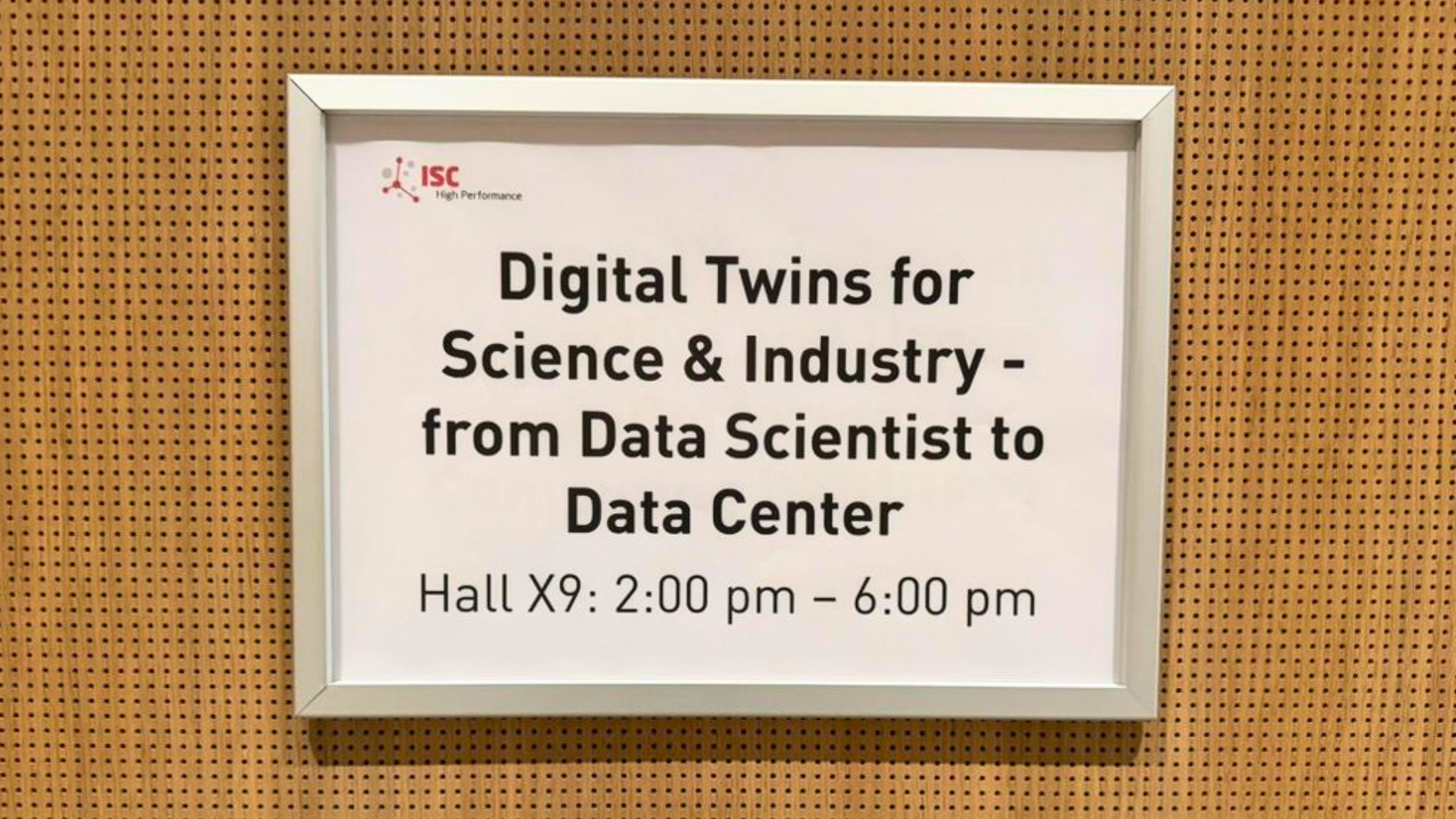
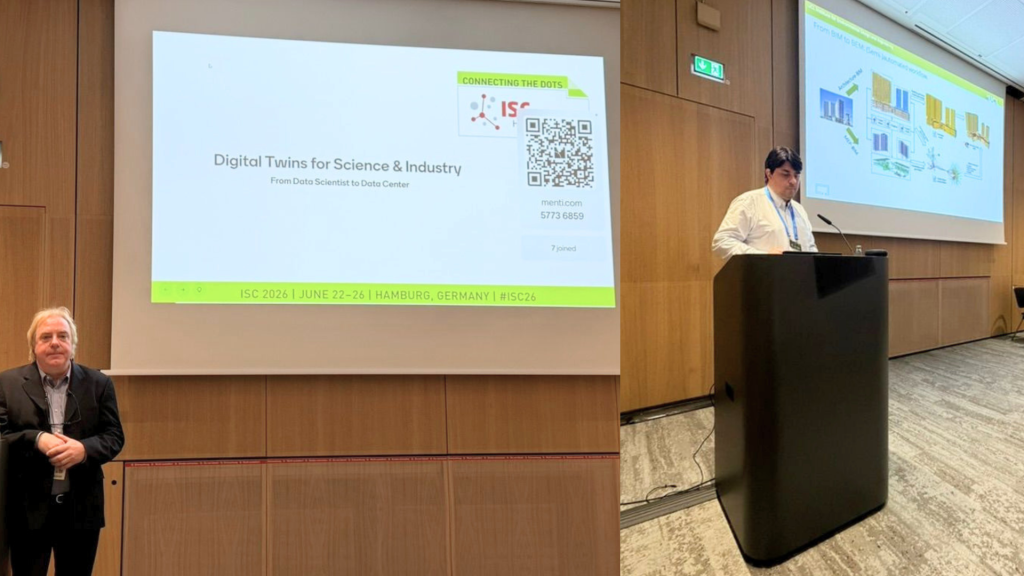
On 26 June 2026, DTERBIM was represented at the workshop "Digital Twins for Science & Industry: From Data Scientist to Data Center", held as part of ISC High Performance 2026 in Hamburg, Germany.
During the workshop, Dimitrios Rovas, Professor of Building Simulation and Optimization at University College London (UCL), delivered the presentation "The Building of the Future: Digital Building Twins and AI Agents for Smart Operations."
His talk explored how Digital Building Twins and AI can support smarter building operation and management, contributing to the digital transformation of the built environment. The workshop brought together participants from academia, industry, research centres, startups, and SMEs.
Learn more about the workshop on the official event website.
Subscribe to our newsletter for future updates, visit our website, and follow us on LinkedIn, Bluesky, X, and YouTube.